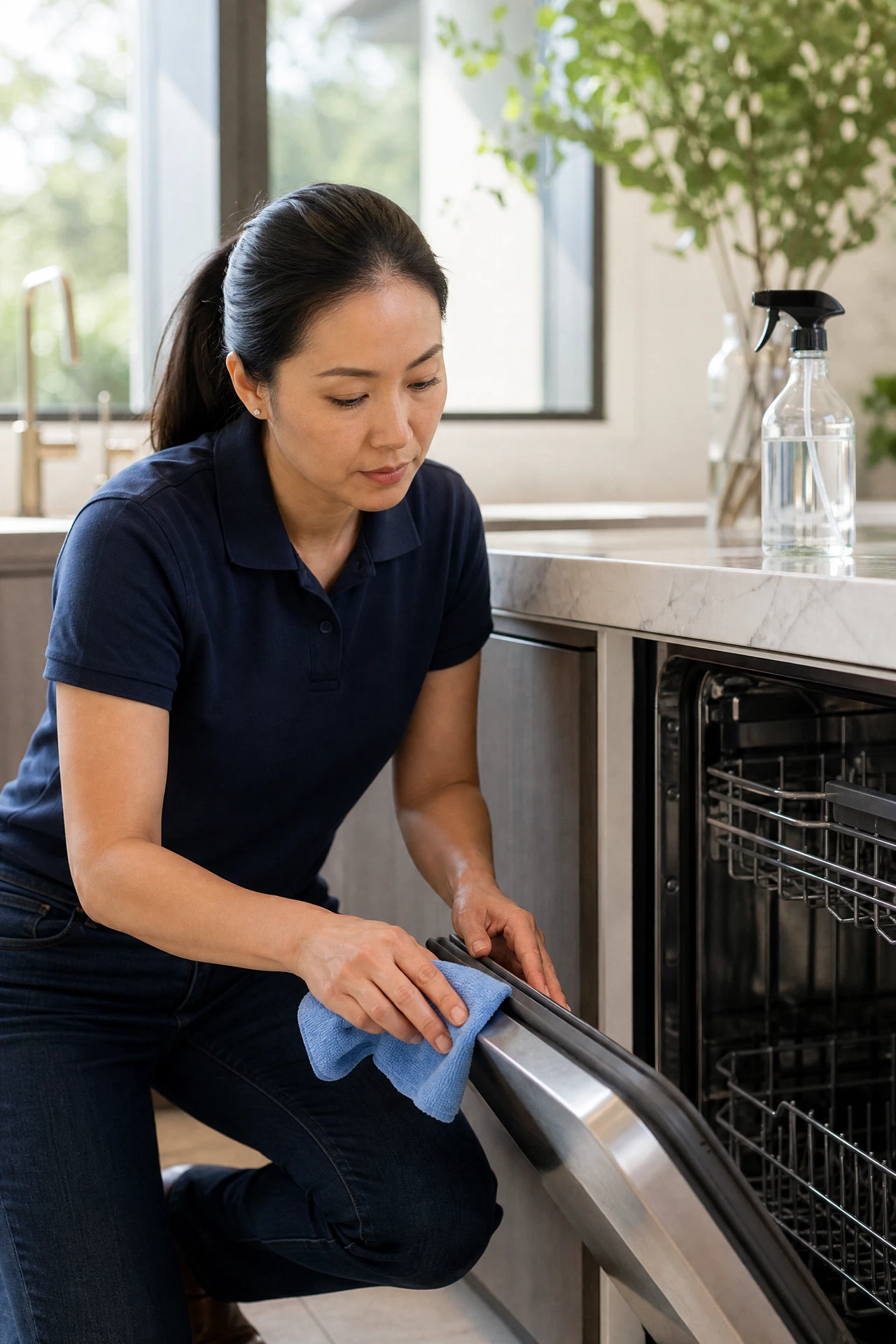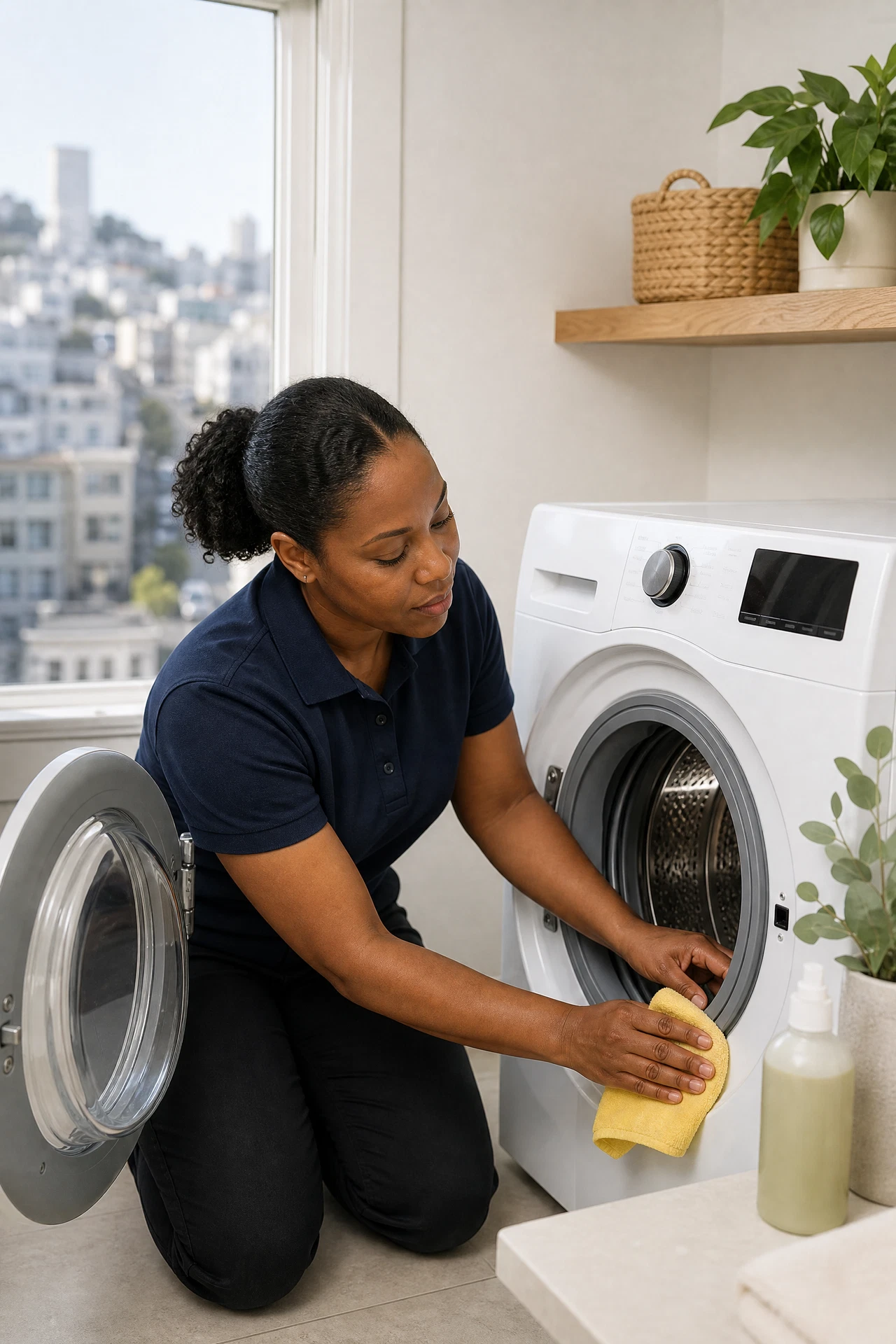


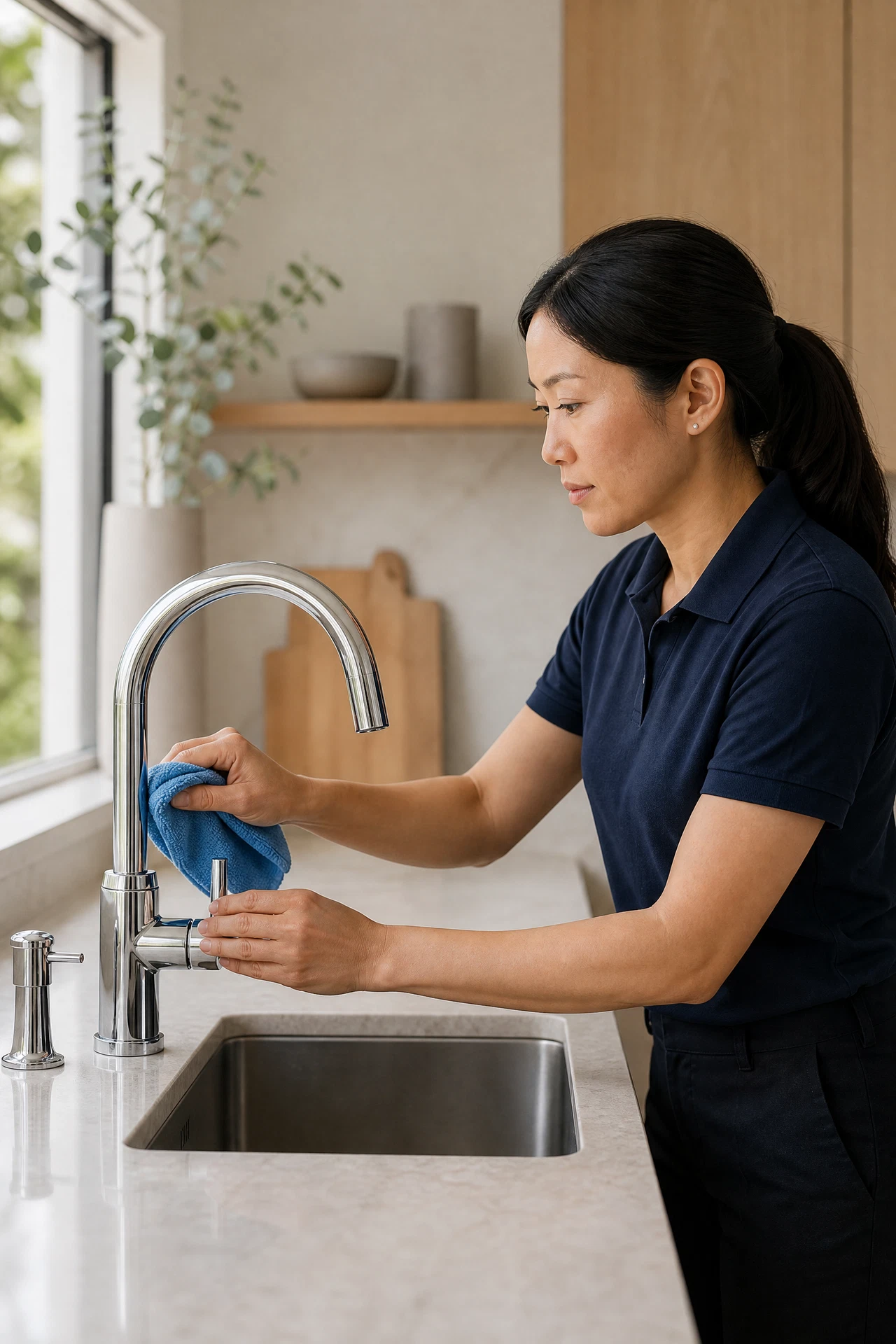
Few household eyesores are as frustrating as limescale. That chalky white crust clinging to your bathroom faucets, the cloudy haze cementing your glass shower doors, and the stubborn brownish ring inside your toilet bowl are constant reminders of hard water chemistry at work. While scrubbing with standard all-purpose cleaners yields little to no results, removing limescale does not require toxic industrial chemicals or harsh scrubbing that ruins expensive finishes.
Understanding the science of mineral deposition and utilizing targeted, acid-based dissolution techniques allows you to restore bathroom fixtures to a pristine, mirror-like shine safely and effectively. This comprehensive guide details the chemistry of hard water, provides step-by-step professional removal protocols for every surface type in your home, outlines critical safety warnings, and features an interactive descaling planner to customize your cleaning routine.
The Chemistry of Limescale: What Causes Hard Water Buildup?
Limescale is not ordinary dirt or soap scum; it is an inorganic mineral deposit formed from hard water. As groundwater percolates through limestone, chalk, and dolomite underground aquifers, it dissolves natural minerals—predominantly calcium carbonate ($CaCO_3$), magnesium carbonate, and calcium sulfate. When this mineral-rich water flows through your municipal plumbing and emerges from your taps, a phase change occurs.
As water droplets evaporate on contact with air, dissolved calcium bicarbonate loses dissolved carbon dioxide gas, transforming back into insoluble calcium carbonate crystals. These crystals bind tenaciously to chrome plating, glass, porcelain, and ceramic surfaces. Over weeks and months, successive layers of evaporated water compound into a hard, cement-like crust that physically blocks water flow in aerators and creates an opaque, white haze on shower glass.
Because limescale is alkaline in nature, basic or neutral soaps cannot dissolve it. Effective removal requires a chemical counter-offensive: acid. Weak organic acids donate hydrogen ions ($H^+$) to the insoluble calcium carbonate, converting it into soluble calcium salts, water, and carbon dioxide gas. This chemical reaction effortlessly lifts the mineral bond without requiring destructive mechanical abrasion.
Interactive Fixture Selector & Safe Descaling Plan
Different bathroom surfaces require entirely different acid strengths, contact times, and tools. Using the wrong product can permanently ruin expensive fixtures. Select your specific fixture below to instantly generate a customized, safe professional descaling plan.
Step 1: Select Your Fixture or Surface Type
Custom Descaling Plan: Chrome Faucets
White Vinegar (5% acidity) or diluted Citric Acid (2-3 tablespoons per cup of warm water)
15 to 30 minutes (do not exceed 1 hour on older pitted chrome)
Microfiber cloth, soft-bristled nylon toothbrush, plastic baggie, rubber bands
- Soak a clean microfiber cloth or paper towel in white vinegar and wrap it securely around the base of the faucet, handle joints, and spout tip.
- For the aerator and nozzle, fill a small plastic baggie with white vinegar, secure it tightly around the spout with a rubber band so the aerator is fully submerged, and let it soak for 30 minutes.
- Remove the bag and cloth, then gently scrub softened mineral deposits using a soft-bristled nylon toothbrush. Pay special attention to the crevice where the handle meets the body.
- Rinse thoroughly with clean warm water to remove all acid residue, then buff dry with a clean microfiber cloth to prevent water spots.
Avoid prolonged acid exposure on vintage, worn, or poorly plated chrome, as the acid can penetrate micro-fissures in the plating and corrode the underlying brass base.
Comprehensive Surface-by-Surface Descaling Protocols
Achieving professional results requires tailoring your technique to the physical properties of each fixture. Below are the definitive protocols used by expert residential cleaning technicians to eradicate mineral buildup without risking surface integrity.
1. Faucets, Aerators, and Showerheads
Mineral clogging inside faucet aerators reduces water pressure and forces uneven spray streams. Unscrew the aerator tip if possible; if it is tightly bound by calcification, fill a small plastic sandwich bag with white vinegar, slip it over the spout or showerhead, and secure it firmly with a heavy-duty rubber band or twine. Ensure the metal face is fully immersed in the acid bath. Allow it to soak for 30 minutes. Once removed, brush the rubber spray nozzles or metal mesh with an old toothbrush to dislodge softened mineral granules, then run warm water for 60 seconds to flush internal lines.
2. Glass Shower Enclosures and Doors
Shower glass accumulates soapy residue combined with calcium carbonate, creating a bonded translucent haze. Mix equal parts heated white vinegar and liquid dish soap in a spray bottle. The dish soap breaks down body oils that anchor the mineral scale, allowing the acetic acid to penetrate the crystalline matrix. Spray thoroughly from top to bottom, let dwell for 20 minutes, scrub with a non-scratch nylon pad, and rinse with hot water. For extreme buildup, a professional-grade paste of citric acid powder and warm water applied with a microfiber cloth provides superior cutting power.
3. Toilet Bowls and Hard Water Rings
The constant presence of standing water makes toilet bowls prime territory for thick calcium rings at the waterline. Standard bowl cleaners often slide off vertical porcelain surfaces too quickly to dissolve heavy crusts. To maximize dwell time, displace the standing bowl water by plunging rapidly with a toilet brush until the water level drops significantly. Apply an eco-friendly descaling gel or pure white vinegar directly to the ring. Let it sit for 30 minutes, then scrub vigorously. For calcified deposits that resist brushing, rub gently with a wet pumice stone, ensuring both stone and porcelain remain thoroughly lubricated with water to eliminate scratching risks.
Descaling Agent Reference Matrix
Refer to this professional matrix when selecting cleaning agents for different residential bathroom surfaces.
Hazardous Chemical Mistakes and Safety Cautions
When dealing with chemical reactions in confined bathroom spaces, safety must remain paramount. Homeowners frequently make dangerous assumptions about mixing cleaning products in an effort to accelerate results.
Never mix acids with chlorine bleach. Combining an acid-based descaler (like white vinegar or commercial toilet bowl cleaner) with a sodium hypochlorite bleach product triggers an immediate chemical reaction releasing toxic chlorine gas ($Cl_2$). Inhalation of chlorine gas causes severe respiratory irritation, chemical pneumonia, and potentially fatal pulmonary edema. Always ensure thorough ventilation by running exhaust fans and opening windows during deep cleaning sessions.
Additionally, always wear protective nitrile gloves when handling concentrated organic acids or citric acid crystals. While natural, concentrated acids strip natural skin oils rapidly, leading to contact dermatitis and painful skin cracking.
Long-Term Prevention and Maintenance Strategies
The most effective way to manage limescale is to prevent mineral crystals from bonding in the first place. Adopting a proactive daily and weekly maintenance routine reduces heavy descaling efforts to a minimal chore.
- Post-Shower Squeegee Habit: Keep a silicone squeegee hanging inside the shower enclosure. Spending 30 seconds squeegeeing glass doors and tile walls immediately after every shower removes 95% of mineral-bearing water droplets before they can evaporate and leave crust behind.
- Microfiber Drying Protocol: Keep a clean microfiber hand towel by the vanity sink. Wiping down the faucet base and sink basin dry at the end of each evening eliminates standing water evaporation rings.
- Hydrophobic Glass Sealants: Apply a professional-grade hydrophobic glass sealant (such as a rain-repellent treatment) to clean shower doors every three months. This creates an invisible barrier that causes water to bead up and roll off instantly, preventing mineral adhesion.
- Whole-House Water Softening: If your local water hardness exceeds 180 mg/L, consider installing an ion-exchange water softener. By replacing calcium and magnesium ions with sodium or potassium ions upstream, you eliminate limescale formation throughout your entire home plumbing system.
Frequently Asked Questions
Can I use lemon juice instead of white vinegar for removing limescale?
Yes, lemon juice contains citric acid (typically around 5% to 6% concentration) which is highly effective at breaking down calcium carbonate and magnesium hydroxide bonds. In fact, citric acid is slightly stronger than the acetic acid found in standard white vinegar. However, lemon juice contains natural sugars and pulp pulp residue, meaning surfaces cleaned with lemon juice must be rinsed thoroughly with clean water afterwards to prevent sticky residue buildup that attracts dust and bacteria.
Will white vinegar ruin my chrome faucets if left on too long?
Standard household white vinegar (5% acetic acid) is generally safe for modern, high-quality chrome fixtures during short contact times of 15 to 30 minutes. However, if left for hours—or if the chrome plating has microscopic pits, scratches, or manufacturing defects—the acid can penetrate through the chrome layer to the underlying brass or nickel substrate, causing sub-surface corrosion and flaking. For standard cleaning, limit vinegar soaking to 30 minutes and always rinse thoroughly.
How do I remove stubborn hard water stains from glass shower doors that won't budge with vinegar?
When vinegar alone fails against heavy, baked-on mineral buildup, switch to a stronger chemical approach using pure food-grade citric acid crystals mixed with warm water to form a potent descaling solution, or use a specialized commercial hard water stain remover containing oxalic acid. Apply the solution with a non-scratch scrub pad, let it dwell for 15 minutes, and use a specialized plastic razor blade scraper held flat against the glass to safely shear off crystallized mineral deposits without scratching the tempered glass.
Is it safe to use muriatic acid for severe toilet bowl ring buildup?
Muriatic acid (hydrochloric acid) is extremely potent and will dissolve thick calcium rings almost instantly, but professional cleaners strongly advise against using it for routine residential cleaning. Muriatic acid releases toxic fumes, corrodes metal plumbing traps, ruins porcelain glaze over repeated use, and causes severe chemical burns on skin and eyes. For severe toilet rings, eco-friendly commercial descaling gels, concentrated citric acid, or a pumice stone used with patience are much safer and protect your plumbing infrastructure.
How often should I descale my showerhead and bathroom faucets?
The ideal descaling frequency depends heavily on your local water hardness. In areas with moderately hard water (61–120 mg/L of calcium carbonate), descaling faucets and showerheads every 2 to 3 months is sufficient. In homes with very hard water (180+ mg/L), monthly descaling is necessary to prevent mineral restriction, erratic spray patterns, and permanent clogging. Wiping down fixtures with a dry microfiber cloth after each use will dramatically extend the time between deep descaling sessions.
Is limescale harmful to human health if present in drinking water or bathroom fixtures?
Limescale itself—composed primarily of harmless calcium carbonate and magnesium compounds—is not toxic or harmful to human health if ingested in drinking water. In fact, hard water provides minor dietary contributions of calcium and magnesium. However, limescale buildup in bathrooms creates a porous breeding ground where soap scum, mold spores, mildew, and harmful bacteria (such as biofilm and Legionella in showerheads) can thrive, making regular descaling essential for hygienic home maintenance.
Why does limescale return so quickly after I clean it?
Limescale returns rapidly because cleaning dissolves existing mineral deposits but does not alter your home's water supply. Every time hard water droplets evaporate on your faucets or glass doors, dissolved minerals are left behind to form new crystal matrices. To slow down this cycle, adopt a post-use maintenance habit: keep a squeegee in the shower to remove wet droplets immediately, and wipe down sinks and faucets with a dry towel after evening routines.
Professional Cleaning Standards
Maintaining a flawless, mineral-free bathroom requires consistent dedication and the correct application of eco-friendly chemistry. Green Planet Cleaning technicians utilize specialized non-toxic descaling formulations and professional surface protection techniques during every scheduled deep clean to restore and preserve your bathroom fixtures without compromising indoor air quality or surface integrity.
Ready for a Spotless, Professional Clean?
Let Green Planet Cleaning take care of stubborn hard water buildup, sparkling glass doors, and deep bathroom sanitization with our professional eco-friendly cleaning services.
Book Online Today