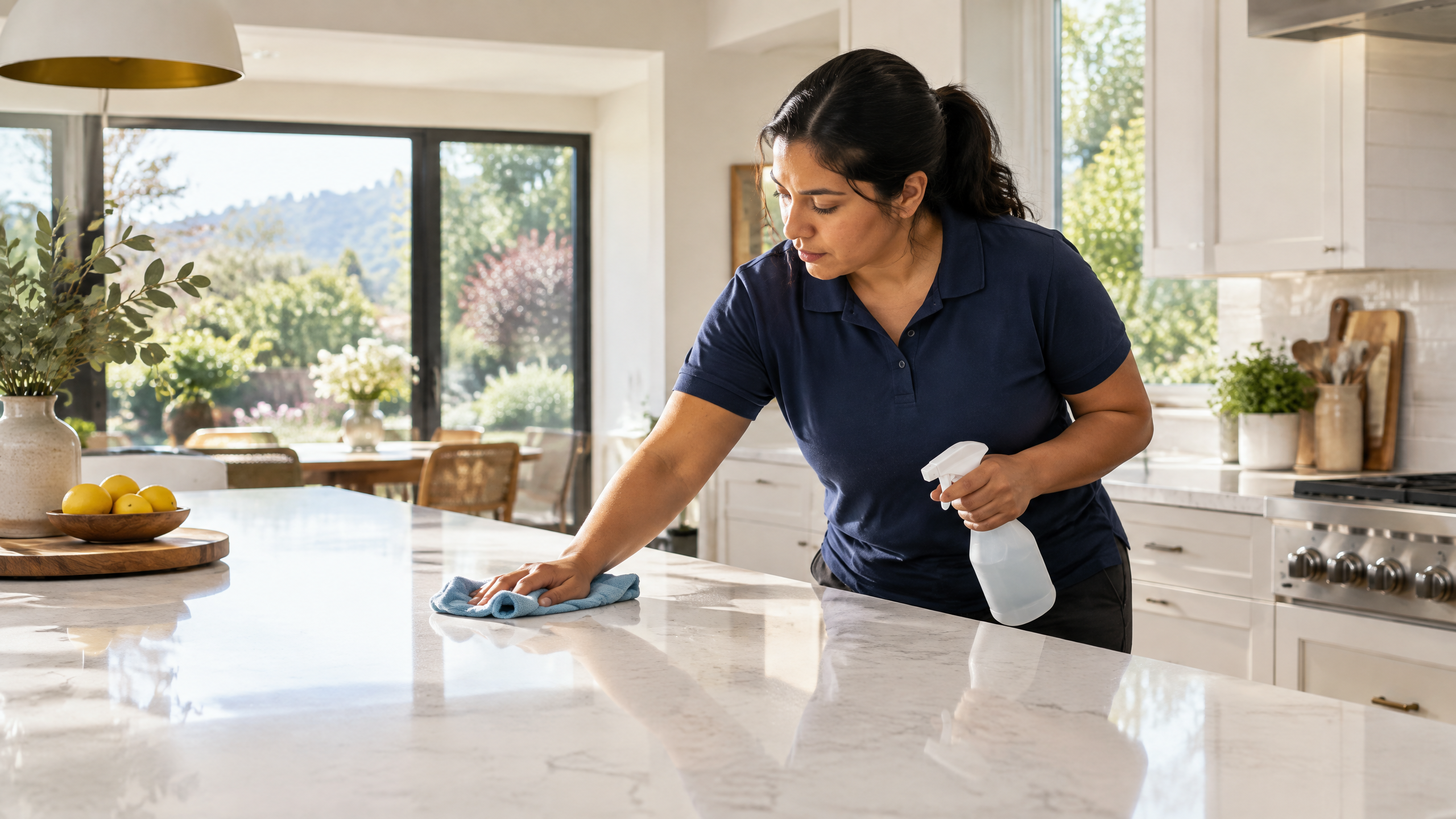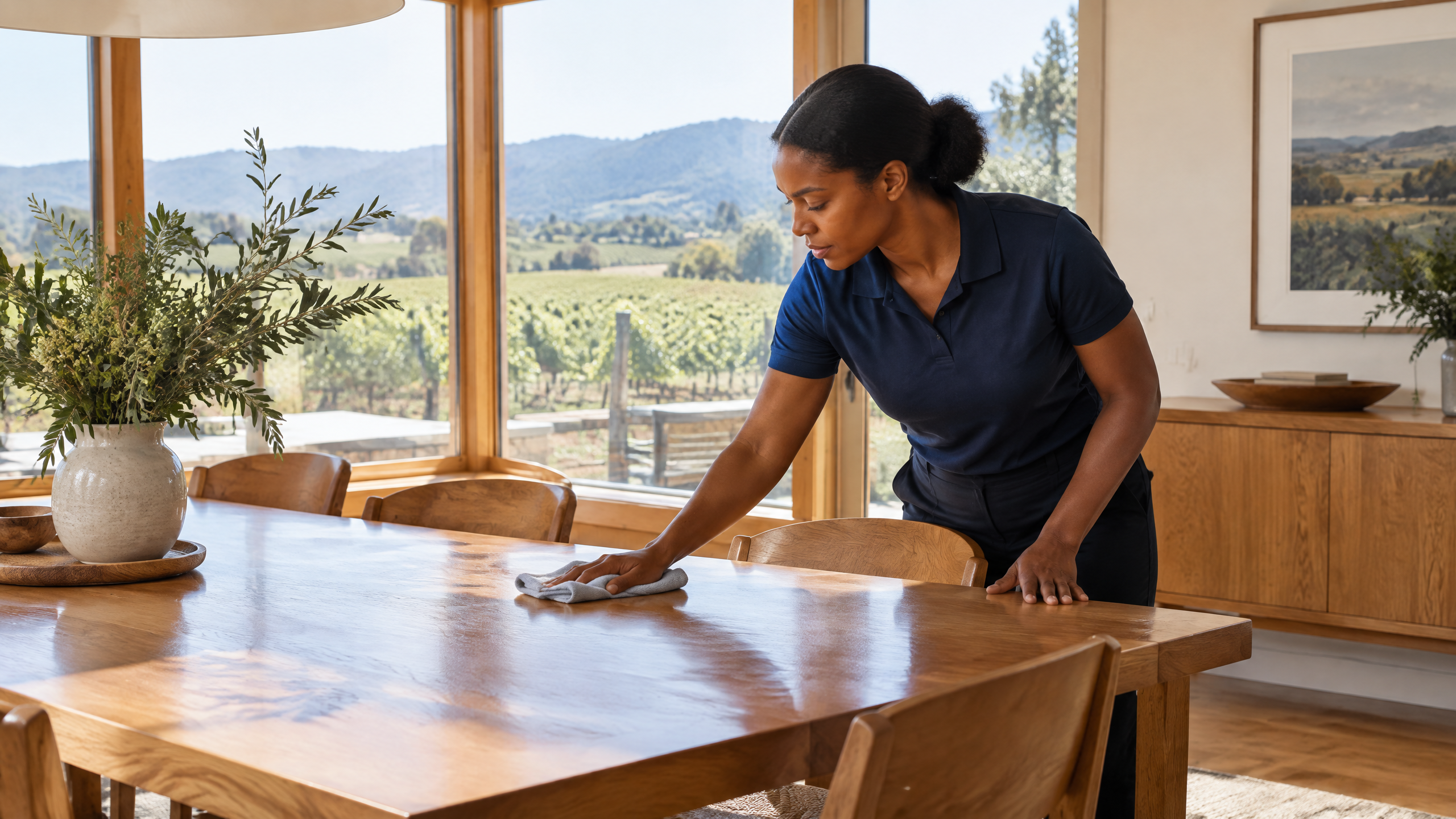



Recurring house cleaning in Petaluma helps busy households keep kitchens, baths, floors, and lived-in rooms consistently ready for the week ahead. Petaluma routines tend to be shaped by more than a calendar. A Victorian near downtown may need careful attention around painted trim and compact rooms, while a newer east-side home may collect dust across open-plan surfaces and hard floors. Homes closer to the countryside often have a steady stream of garden debris, pet hair, and footprints at entryways. A recurring visit is a practical way to reset the spaces used every day without turning each clean into a major household project. The right cadence also gives the cleaner a chance to learn which rooms carry the most traffic, where clutter naturally gathers, and which details matter most to the people who live there. This guide explains how weekly and biweekly home cleaning can be planned for Petaluma households, what a standard visit normally maintains, and when a deeper or move-related service makes more sense.
For most households, recurring service works best as a maintenance plan rather than a once-in-a-while rescue. It creates a dependable baseline: bathrooms are addressed before buildup becomes distracting, kitchen surfaces and appliance exteriors are refreshed regularly, and floors receive attention before grit travels farther into the home. That baseline is especially useful when work commutes, school schedules, visiting family, weekend trips, or time spent in the garden leave little room for a full-house reset. The plan is still adaptable. A household that hosts Sunday dinners may prioritize the kitchen and dining area before the weekend; a family with children may place more value on bathroom rotation and playroom floors. The goal is not an identical checklist for every Petaluma home, but a clear service rhythm built around ordinary use. A well-scoped recurring arrangement also makes communication simpler. Instead of trying to describe the whole home from scratch each time, residents can identify standing priorities, note access instructions, and flag occasional changes such as a guest room that will be in use or a home office that needs to remain undisturbed. Those details help set realistic expectations before the visit begins. They also distinguish maintenance cleaning from a detailed first-time deep clean or from the empty-home tasks commonly needed around a move. Choosing the appropriate service type at the outset supports a more useful result and a schedule that remains manageable over time.
Planning note: A clear scope makes a cleaning visit more useful. Share access details, the rooms that matter most, and any selected interior tasks before requesting an estimate.
Why a Recurring Schedule Fits Petaluma Homes
A recurring schedule protects time otherwise spent deciding when the house has reached its limit. With downtown errands, school activities, river outings, and garden time competing for weekends, many residents prefer a planned visit to a full-house catch-up. The same core rooms receive care at an agreed interval, rather than being squeezed into late nights.
Petaluma homes vary in age and layout. Older properties may have compact rooms, detailed woodwork, or thresholds that benefit from regular dust removal. Contemporary homes often have broad counters and open kitchens where daily crumbs show quickly. During planning, identify delicate surfaces, off-limits rooms, entry procedures, and areas needing routine attention. That makes service responsive to how the home is used, not square footage alone.
Consistency helps households with pets, children, shared workspaces, or frequent guests. Entry floors, bathroom counters, dining tables, and kitchen touchpoints often deserve the largest share of a visit. Regular service does not replace everyday tidying, such as clearing counters, but it supplies a cleaner baseline. Ordinary messes are easier to handle between visits and hosting takes less catch-up work.
Plan the Cadence Before the First Visit
Begin with the household’s real traffic pattern, not an idealized version of it. Weekly cleaning is often a sensible fit for active kitchens, multiple bathrooms, young children, shedding pets, or households that entertain often. Biweekly cleaning commonly works well when residents can keep up with light daily tasks and want professional maintenance before dust, water spots, and floor debris become more noticeable. Monthly service can suit a lightly used home, though rooms may need more catch-up attention at each visit. A first conversation should cover household size, number of active bathrooms, pets, work-from-home days, and the spaces guests see first.
Next, decide how service should move through the home. Many Petaluma clients make the kitchen, primary bath, secondary baths, living area, and entry floors the core. Bedrooms can be included or rotated if less used. Make clear whether an office is available, whether a desk is dust-only, and whether items should not be moved. Instructions about valuables, breakables, alarms, parking, gates, and pets prevent surprises.
Finally, leave room for occasional priorities without quietly turning a recurring visit into an unlimited project list. Seasonal pollen at a window sill, a pre-guest refresh of a guest bath, or extra attention to the dining area can be discussed in advance. More involved needs—interior cabinets, heavy buildup, detailed baseboards throughout, inside appliances, or an empty-home turnover—are better evaluated as a deep or move-related service. Writing down the standing scope and the occasional add-on conversation gives both sides a useful reference point. It makes the routine predictable while preserving flexibility when the household changes.
Six Priorities to Set for a Better Recurring Clean
A useful plan names the rooms and conditions that affect daily comfort. These six priorities offer a practical consultation starting point.
- Kitchen workflow: Identify the counters, sink, cooktop exterior, table, appliance exteriors, and floor paths used every day. Let the cleaner know whether a large island, breakfast nook, or pantry-adjacent floor needs particular attention after family meals or gardening breaks.
- Active bathrooms: List the bathrooms used daily and distinguish them from a little-used powder room or guest bath. Regular attention to fixtures, mirrors, counters, toilets, tubs or showers, and floors keeps the most active spaces aligned with the selected cadence.
- Entryway and hard-floor traffic: Petaluma’s wet-season walks, garden soil, and pet outings can concentrate debris near doors and hallways. Specify the entrance used most often, the shoe-drop zone, and the routes that should receive routine floor care.
- Pet and family zones: Point out feeding areas, window perches, play areas, and upholstered seating that collect visible hair or crumbs. Pet care procedures and access should be discussed in advance so the visit is calm and rooms can be cleaned safely around animals.
- Work and personal-item boundaries: Recurring cleaning is most efficient when counters and floors are reasonably clear. Note rooms with cables, papers, collections, or sensitive items, and state whether surfaces should be cleaned around them rather than moved.
- Guest-ready spaces: Decide whether the dining room, front sitting room, or guest bath takes priority before a regular gathering. Giving notice about a planned visit or event helps focus the routine without assuming every detailed task belongs in the standard scope.
Standard, Deep, and Move-Related Cleaning Serve Different Moments
Standard recurring cleaning is maintenance for an occupied home that is already in reasonably orderly condition. It generally focuses on the active rooms and the repeating tasks that keep them presentable: cleaning bathroom fixtures and surfaces, refreshing kitchen work areas and appliance exteriors, dusting accessible surfaces, managing trash, and caring for the agreed floors. It is designed to preserve a baseline from visit to visit. Personal belongings, inside cabinets, extensive organization, and neglected buildup are not automatically part of a standard maintenance appointment, so it helps to be explicit about what is and is not included.
A deep clean is the better starting point when the home has not had professional attention recently, when there is visible buildup, or when detailed areas need an initial reset. Deep work may devote more time to baseboards, doors and frames, reachable light fixtures, detailed bathroom surfaces, interior appliance work when selected, or other high-touch and high-visibility areas. It is not merely a longer version of the standard checklist; it establishes the condition from which recurring maintenance can be effective. For a Petaluma household beginning a new routine after a busy season, a deep visit may prevent the first few regular cleans from being consumed by catch-up tasks.
Move-related cleaning has a different purpose: preparing a largely empty home for handoff, arrival, or a final inspection. The scope may emphasize vacant cabinets and drawers, interior appliances, closets, interior windows where arranged, floors, and the overlooked edges exposed once furniture is gone. It is not a substitute for a landlord or tenant’s specific contractual obligations, and it does not determine a deposit outcome. Because occupied recurring homes and vacant move-outs have different access, condition, and detail requirements, they should be quoted and scheduled as separate service types rather than blended into one expectation.
Choose the Service That Matches the Home’s Current Condition
| Option | Best use |
|---|---|
| Standard recurring cleaning | An occupied Petaluma home that has been maintained and needs a steady weekly or biweekly reset. Active bathrooms, kitchen surfaces and appliance exteriors, accessible dusting, trash, and agreed floor care in the priority rooms. |
| Deep cleaning | A first professional reset, accumulated buildup, or a home needing detail work before it moves into a recurring plan. The standard foundation plus more time for detailed surfaces and agreed catch-up areas such as baseboards, doors, and selected interior tasks. |
| Move-related cleaning | A largely empty home being prepared for a move-in, move-out, sale transition, or handoff. Vacant cabinets, drawers, closets, interior appliances when selected, exposed edges, and floors; scope is based on the empty home’s condition. |
Petaluma Cleaning Prices and Recurring Savings
A standard home cleaning starts at $240. The final price should reflect the home’s condition, size, active rooms, layout, access, and the specific scope selected, rather than relying on a generic flat assumption. A clear estimate is particularly important for homes with multiple active bathrooms, large open common areas, detailed finishes, or a first visit that needs more than routine maintenance. Discussing priorities before booking lets the service recommend whether the starting point should be standard recurring care or a separate initial deep clean.
For deep cleaning, a small one-bedroom home starts at $300. A typical two-bedroom, two-bath deep clean is about $480, while a typical three-bedroom, two-bath deep clean is about $540. These figures are useful planning benchmarks, not a promise that every home with the same room count has the same condition or detailed-task needs. Factors such as buildup, access, the amount of occupied space, and requested interior work can affect the final scope. Confirming the home’s situation before service is the most reliable way to match the estimate to the work required.
Move-out cleaning begins at $240 for a small one-bedroom, and a two-bedroom, two-bath move-out is about $360. Empty homes can reveal more surfaces, cabinets, and edges than an occupied recurring appointment, which is why move-related work is evaluated separately. For established Clean+ recurring plans, weekly service receives 25% off and biweekly service receives 20% off. Those savings reward a predictable maintenance rhythm; they do not change the need to identify an initial deep clean or a move-related appointment when the home’s condition calls for one.
Book With a Clear Picture of the Household
A productive booking begins with the basics: the number of bedrooms and bathrooms, the home’s overall condition, how long it has been since a detailed clean, pets, parking or gate details, and the rooms that matter most. Share whether the home is occupied, nearly empty, or preparing for a transition. If a standard clean will follow an initial deep service, say so early; that sequence helps keep the scope realistic and avoids treating a maintenance visit as a catch-all project. Before the appointment, clear personal items from the main work surfaces and let the team know about any areas that should not be entered or moved.
For a household ready to build a dependable routine, start with recurring house cleaning in Petaluma and describe the cadence that fits the home: weekly for high-traffic spaces or biweekly for steady maintenance. Include a few concise notes about the kitchen, active bathrooms, flooring, pets, and access so the recommendation is grounded in daily use. The more specific the first request, the easier it is to decide whether a standard visit can maintain the home immediately or whether an initial deep clean would create a better starting point.
Residents who divide time between Petaluma and nearby communities can also review Sonoma County recurring house cleaning when comparing service coverage and planning a household routine. Keep the conversation focused on practical details rather than a wish list alone: which rooms are used most, whether guests are expected, what condition the home is in today, and whether there are timing constraints around school, remote work, or access. That preparation supports a service plan with a defined scope, useful price expectations, and enough flexibility for the occasional change in household rhythm.
Frequently asked questions
How often should a Petaluma household schedule recurring cleaning?
Weekly service suits homes with active bathrooms, children, pets, frequent cooking, or entertaining. Biweekly service works when residents handle light tidying and want consistent kitchen, bath, and floor upkeep. Actual traffic matters more than bedroom count.
What is normally included in a standard recurring clean?
The agreed scope generally emphasizes bathroom fixtures, kitchen work areas and appliance exteriors, accessible dusting, trash, and floor care. Confirm details for bedrooms, offices, guest spaces, and rooms with delicate items or limited access.
Should the first visit be a deep clean?
A deep clean is useful where there is buildup, overlooked detailed surfaces, or no recent professional cleaning. It creates a baseline for later maintenance. A regularly maintained home may begin with standard recurring service, depending on condition and scope.
How is move-out cleaning different from recurring cleaning?
Move-out cleaning prepares a largely empty home and can address cabinets, drawers, closets, interior appliances when selected, exposed edges, and floors. Recurring cleaning maintains an occupied home. Move-related service is separately scoped and does not determine a lease, sale, or deposit result.
What are the starting prices for cleaning in Petaluma?
Standard cleaning starts at $240. A small one-bedroom deep clean starts at $300; a typical 2BR/2BA deep clean is about $480, and a typical 3BR/2BA deep clean is about $540. Small one-bedroom move-outs begin at $240; a 2BR/2BA move-out is about $360. Final scope and condition matter.
Are discounts available for a recurring Clean+ plan?
Yes. Weekly Clean+ service receives 25% off and biweekly Clean+ receives 20% off. A home needing detailed catch-up work or move preparation should be discussed separately so the appointment matches the work.
Ready to plan the right visit? Visit recurring house cleaning in Petaluma or request a flat-fee estimate for your home.
Let Green Planet Handle the Cleaning
Family-owned since 2010. 100% eco-friendly. Greentified™ Guarantee — if you're not happy, we re-clean for free within 24 hours.
Serving Marin County, San Francisco, Sonoma, Napa, San Mateo & Contra Costa.