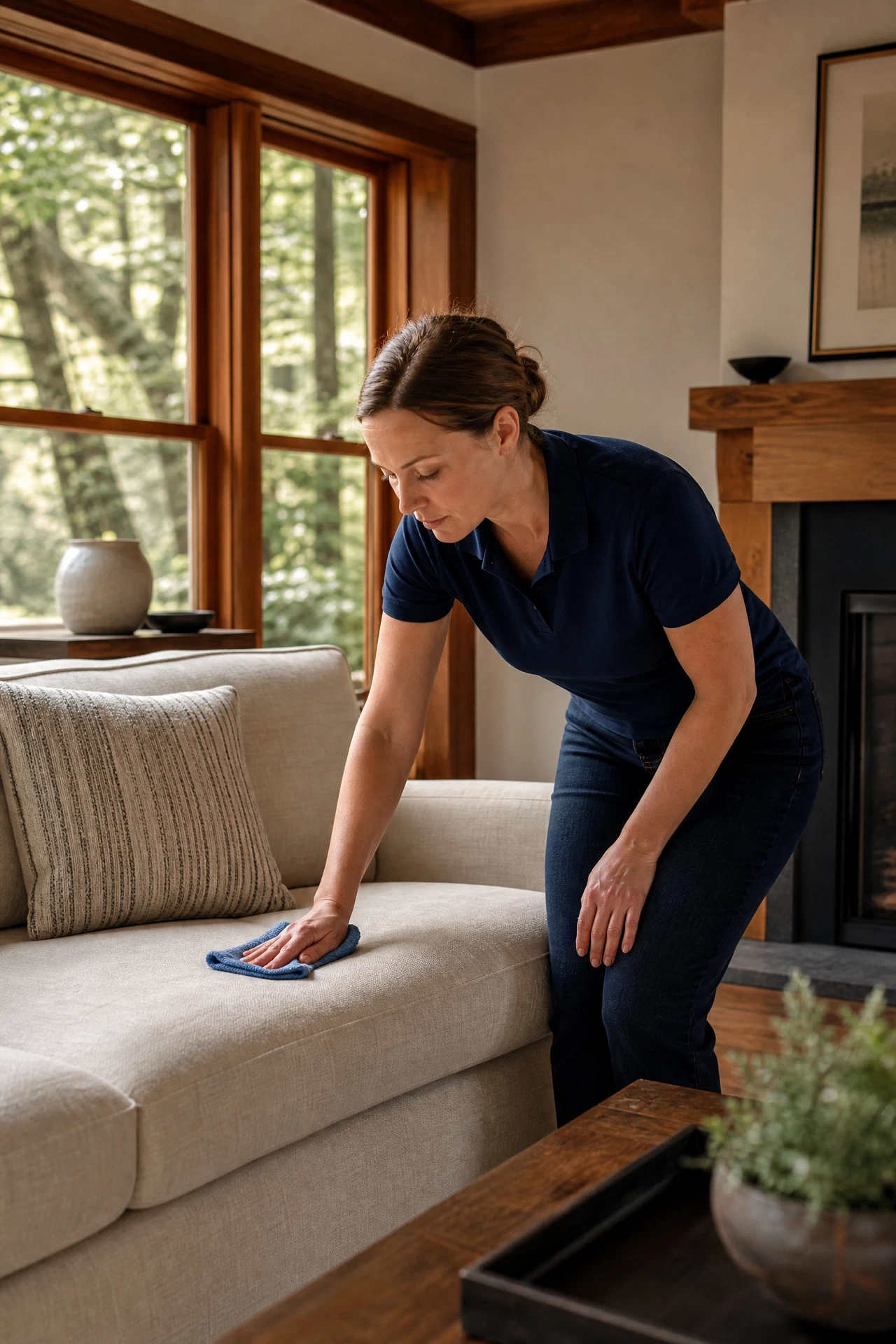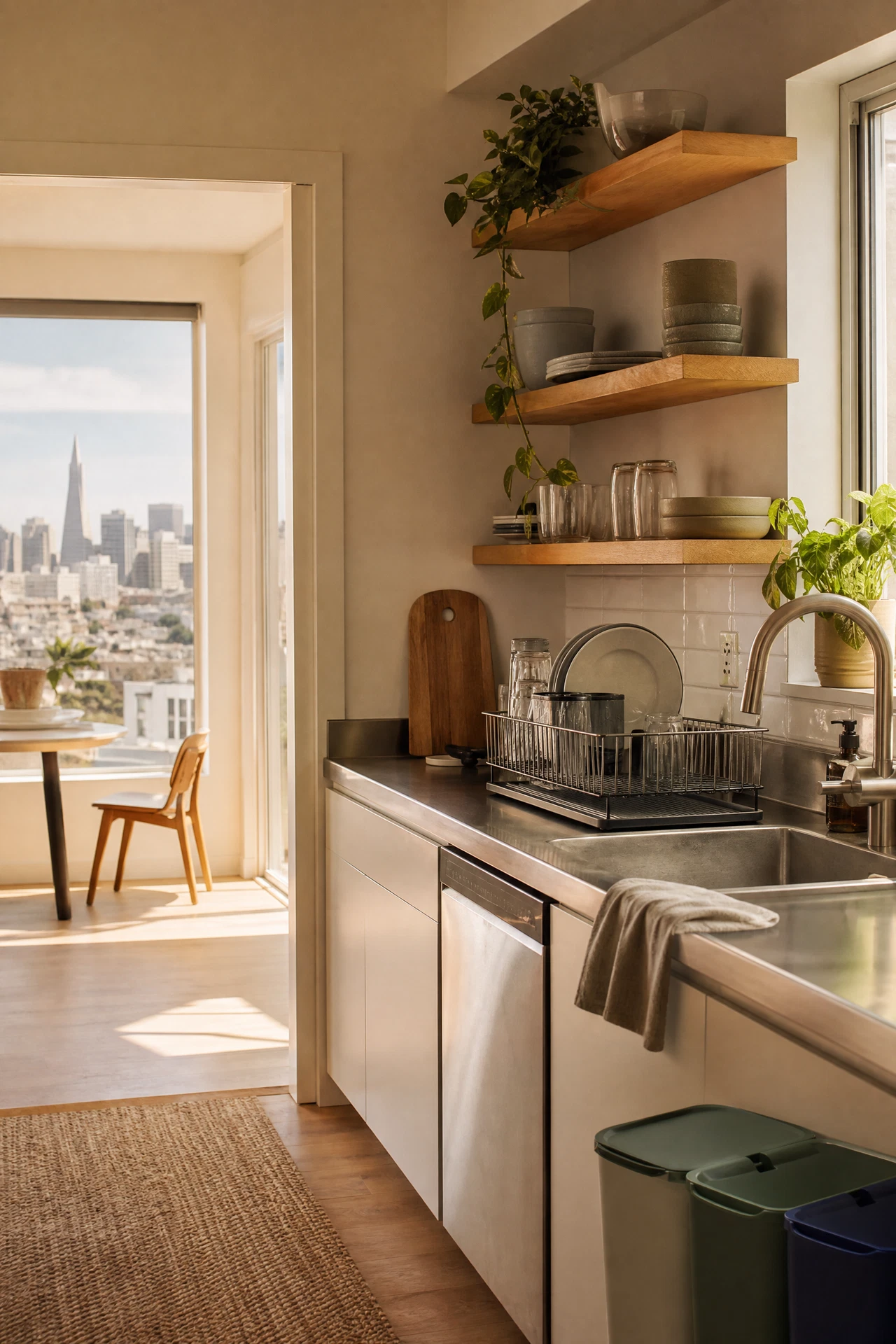


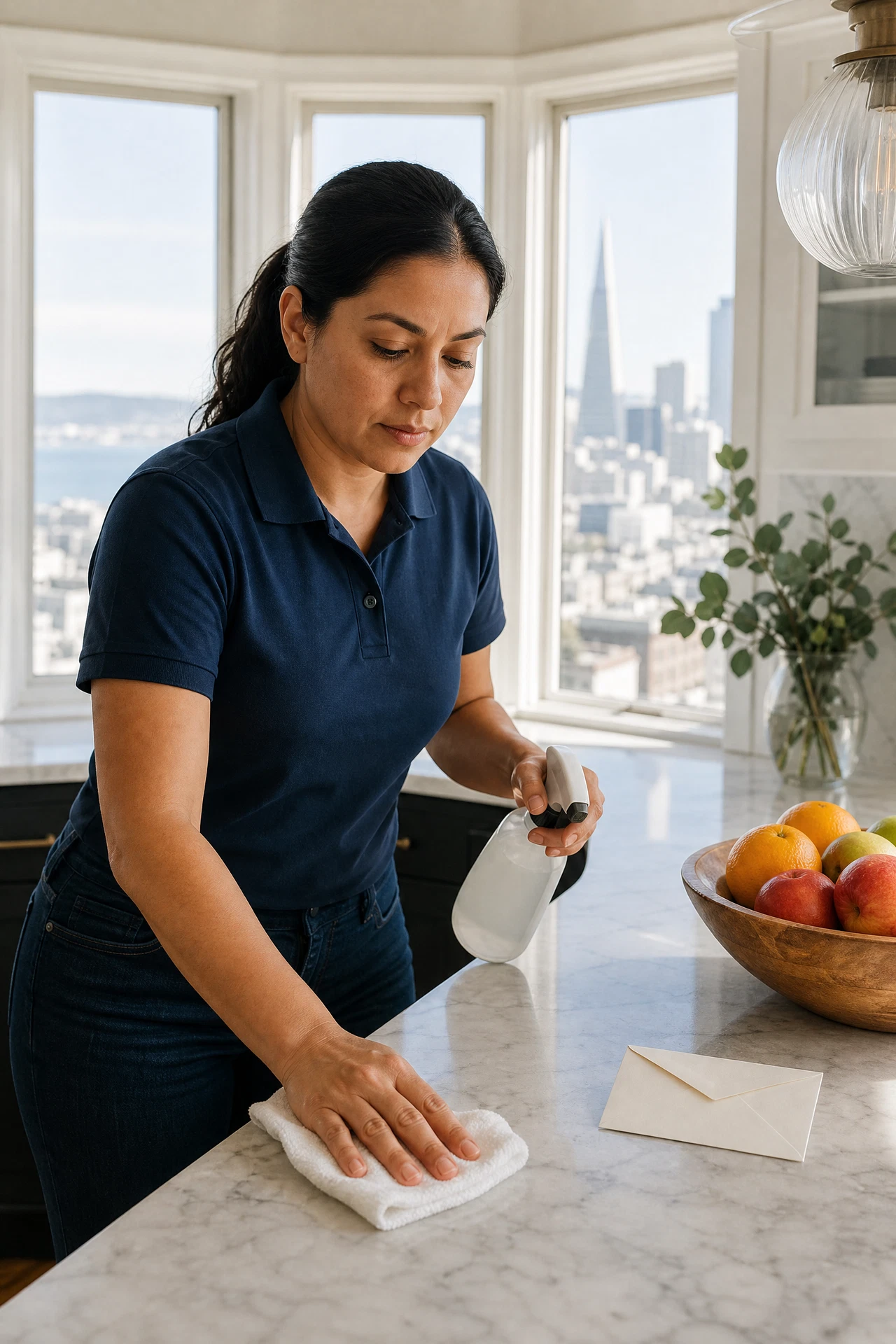
Tipping is only one part of setting a clear service expectation; the visit scope and frequency matter first. Review house-cleaning options in San Francisco, a regular plan for a Noe Valley residence, or care for a Mission District home before arranging service.
How Much Should You Tip House Cleaners in San Francisco?
A comprehensive examination of tipping customs, flat-rate cleaning economics, service frequency structures, architectural nuances, and respectful appreciation strategies for residential cleaning across San Francisco.
Introduction: Navigating Service Etiquette in the Bay Area
In a vibrant and economically diverse metropolis like San Francisco, home care services represent an essential partnership between residents and professional cleaning specialists. As property owners and renters balance demanding professional schedules with maintaining pristine living environments, professional cleaning providers have become indispensable. However, when engaging residential cleaning services, clients frequently encounter questions regarding post-service etiquette—specifically, whether tipping is customary, how much is appropriate, and how modern flat-rate pricing models influence gratuity customs across different neighborhoods.
Unlike dining in restaurants, where tipping follows standardized percentage guidelines tied directly to staff remuneration structures, residential cleaning operates under a distinct economic framework. House cleaning professionals in San Francisco generally work within established flat-fee structures that account for home size, specialized cleaning scope, architectural complexity, and recurring service commitments. Because tipping is entirely optional and rooted in discretionary appreciation rather than mandatory service fees, understanding the broader context of cleaner compensation helps households make informed, respectful choices.
This comprehensive guide explores the multifaceted dimensions of house cleaner appreciation in San Francisco. By examining flat-rate pricing models, service frequency discounts, architectural characteristics of Bay Area homes, non-monetary expressions of gratitude, and structured decision-making tools, residents can develop a personalized approach that honors exceptional service while aligning with their household budgeting goals.
Furthermore, navigating domestic service etiquette requires an appreciation of California labor standards, professional living wages, and the operational realities faced by mobile service teams navigating dense urban centers. When households understand how cleaning fees are structured and distributed, they are better equipped to evaluate their own appreciation practices without relying on rigid social mandates or arbitrary assumptions. The goal is to foster a sustainable, respectful relationship between homeowners and the professionals who maintain their sanctuary.
Domestic work has historically been undervalued, but in a modern city like San Francisco, the profession has evolved into a highly skilled service sector. Today's cleaning specialists are trained in advanced sanitization protocols, chemical safety, and specialized surface care. Recognizing this professionalism is the first step toward understanding appropriate etiquette. Whether you choose to provide a monetary tip, a holiday bonus, or simply ensure a respectful working environment, your actions contribute to the professional standards of the industry.
The Economics of Residential Cleaning in San Francisco
To understand tipping etiquette, one must first examine the underlying economic structures of modern residential cleaning services in San Francisco. The Bay Area features unique operational costs, including elevated commercial overhead, transportation logistics, specialized eco-friendly product sourcing, and competitive compensation standards necessary to retain skilled cleaning professionals in a region characterized by a notably high cost of living.
Modern cleaning providers increasingly transition away from traditional, unpredictable hourly billing toward transparent, flat-rate pricing models. Flat-rate pricing provides households with complete cost predictability before any service begins, eliminating anxiety regarding duration variations. Under these models, pricing reflects the comprehensive scope required to sanitize and restore a home of a specific size and layout, ensuring that cleaning specialists are compensated fairly for their expertise and labor intensity without forcing clients to monitor the clock.
In service industries, transparency fosters trust. When clients know the exact financial commitment upfront, the entire service experience becomes streamlined. Professional cleaning companies invest heavily in training their staff, providing comprehensive insurance, and utilizing sustainable, eco-friendly cleaning supplies that protect both indoor air quality and local waterways. Consequently, flat-rate pricing encompasses a wide array of professional inputs that extend far beyond simple manual labor.
The shift toward flat-rate pricing also reflects a commitment to quality over speed. In an hourly model, there is a perverse incentive to work slowly or, conversely, to rush through tasks to stay within a client's budget. A flat-rate model ensures that the focus remains entirely on the result—a clean, healthy home. This model also allows cleaning companies to provide stable, predictable income for their employees, which is essential for maintaining a dedicated and professional workforce in the competitive San Francisco labor market.
Standardized Service Pricing Tiers
Professional cleaning services in San Francisco adhere to clear pricing tiers based on property dimensions and cleaning complexity. These baseline figures establish the financial foundation upon which regular maintenance and recurring subscription savings are calculated.
| Service Tier / Home Size | Standard Flat Rate | Biweekly Clean+ (20% Off) | Weekly Clean+ (25% Off) |
|---|---|---|---|
| Service Minimum / Studio / 1BR | $240 | $190 | $180 |
| 2 Bedrooms / 2 Bathrooms | $280 | $225 | $210 |
| 3 Bedrooms / 2 Bathrooms | $350 | $280 | $260 |
| 4 Bedrooms / 3 Bathrooms | $420 | $335 | $315 |
As illustrated in the table above, subscription-based maintenance programs such as biweekly and weekly Clean+ offerings reduce the per-visit investment while establishing a consistent cleaning cadence. When clients engage cleaning professionals on a recurring basis, the financial dynamics shift from episodic transactions to stable professional relationships, which often influences how households approach discretionary appreciation and holiday recognition.
Furthermore, understanding these baseline investment figures prevents misunderstandings regarding gratuity. Because flat rates are calculated to reflect comprehensive professional compensation, tipping is never required to make up for deficient base pay. Instead, tipping functions purely as an extra acknowledgment of stellar individual effort or exceptional service circumstances. In San Francisco, where the cost of doing business is high, these rates ensure that the company can provide living wages, benefits, and high-quality equipment, which in turn leads to better service for the homeowner.
Architectural Realities of San Francisco Homes and Cleaning Complexity
San Francisco possesses one of the most architecturally diverse housing stocks in the United States. From classic Victorian and Edwardian row houses in neighborhoods like the Haight-Ashbury, Alamo Square, and Noe Valley to mid-century modern residences in the Sunset and contemporary high-rise condominiums in South Beach and SoMa, each property type presents unique cleaning challenges that influence labor intensity.
Historic homes often feature intricate architectural details, including elaborate crown moldings, tall bay windows, vintage hardwood floors, ornate fireplace mantels, and delicate tile work. Preserving these historic elements requires specialized care, careful product selection, and meticulous hand-detailing rather than generalized cleaning methods. For instance, maintaining original unsealed redwood or fir floors without damaging delicate finishes demands expert knowledge and attentive labor.
Conversely, modern urban condominiums and high-rise apartments often present contrasting challenges, such as expansive floor-to-ceiling glass windows that capture urban vistas and coastal fog residue, minimalist open-plan kitchens with stainless steel surfaces that show fingerprints instantly, and compact entryways requiring efficient space management. Cleaning specialists operating in these diverse environments must adapt their techniques to suit the specific material palette of each home.
When evaluating whether to provide additional appreciation or gratuity, homeowners frequently consider these architectural nuances. A cleaning team that meticulously cares for delicate antique fixtures, restores gleaming surfaces on historic hardwood, or successfully navigates complex multi-level vertical layouts often earns the deep respect and gratitude of property owners. The effort required to clean a 2,000-square-foot Victorian with 12-foot ceilings and original moldings is vastly different from a 2,000-square-foot modern loft, even if the square footage is identical.
Furthermore, San Francisco's unique climate plays a role. The combination of coastal fog, salt air, and urban dust creates a specific type of residue that requires particular attention, especially on windows and exterior-facing surfaces. Cleaners who understand these local environmental factors and proactively address them provide a level of service that often warrants recognition beyond the standard fee.
The Science of Eco-Friendly Cleaning: Why It Matters
In a city as environmentally conscious as San Francisco, the choice of cleaning products and methods is not just a preference—it is a commitment to public health and ecological stewardship. Professional cleaning services that prioritize eco-friendly practices utilize a sophisticated array of pH-balanced solutions, HEPA-filtered equipment, and microfiber technology to achieve a superior level of sanitization without the use of harsh, volatile organic compounds (VOCs).
Traditional cleaning products often rely on aggressive chemicals like ammonia, bleach, and phthalates, which can leave behind residues that irritate the respiratory system and contribute to indoor air pollution. In contrast, modern green cleaning utilizes plant-based surfactants and natural antimicrobial agents like citric acid and essential oils. These products are not only safer for the residents and their pets but also protect the health of the cleaning professionals who use them daily.
Microfiber technology is another cornerstone of professional eco-friendly cleaning. Unlike traditional cotton cloths, microfiber is designed to trap and remove microscopic particles, including bacteria and allergens, rather than simply spreading them around. When paired with high-efficiency particulate air (HEPA) filtration vacuums, which capture 99.97% of particles as small as 0.3 microns, the result is a home that is not just visually clean but biologically sanitized.
Homeowners who value this scientific approach to cleaning often recognize the additional expertise required to implement it effectively. Understanding the chemistry of different surfaces—such as knowing which solutions are safe for marble versus quartz, or how to treat delicate silk wallcoverings—requires ongoing training and professional development. This level of expertise is a significant factor in the value provided by professional cleaning services in the Bay Area.
Psychological Wellness and the Home Environment
The impact of a clean home extends far beyond aesthetics; it is deeply intertwined with psychological wellness and mental clarity. Numerous studies have demonstrated that cluttered or unclean environments can increase levels of cortisol, the body's primary stress hormone, leading to feelings of anxiety and overwhelm. In a high-pressure city like San Francisco, where professional and social demands are significant, the home should serve as a sanctuary for restoration and peace.
A professionally maintained home provides a sense of order and control, which can improve focus and productivity. When the physical environment is organized, the mind is free to engage in creative and intellectual pursuits without the distraction of unfinished chores. This "clean slate" effect is particularly beneficial for those who work from home, as it helps establish clear boundaries between professional and personal life.
Furthermore, the act of outsourcing cleaning tasks allows homeowners to reclaim their most precious resource: time. In San Francisco, where the pace of life is rapid, the ability to spend weekends exploring the Presidio, visiting the De Young Museum, or simply relaxing with family—rather than scrubbing floors—is a significant contributor to overall quality of life. The value of this reclaimed time is often a primary motivation for engaging recurring cleaning services.
Cleaning professionals who understand this psychological dimension of their work take great pride in creating a sense of calm and order for their clients. The "reveal" of a perfectly cleaned home is a moment of profound relief for many homeowners, and it is this emotional impact that often inspires a desire to show extra appreciation through tipping or other gestures of gratitude.
Evaluating Tipping Etiquette: Optionality and Discretion
A common point of confusion for homeowners is whether tipping house cleaners is expected in the same manner as hospitality staff. In professional residential cleaning, tipping is never mandatory. Cleaning specialists employed by reputable agencies receive professional compensation packages rather than relying on sub-minimum tipped wages. Therefore, any gratuity provided by a client is an entirely voluntary expression of satisfaction, gratitude, and respect for exceptional workmanship.
When deciding whether to tip, San Francisco residents often weigh several contextual factors:
- Service Complexity: Homes requiring intensive post-renovation detailing, deep sanitization after extended periods between cleans, or management of delicate historic architectural features may inspire additional monetary appreciation.
- Special Requests and Responsiveness: Cleaners who accommodate last-minute scheduling shifts, pet-specific sanitation needs, or delicate surface care often receive recognition tokens.
- Frequency and Continuity: Regular clients frequently transition from per-visit cash tips to consolidated holiday bonuses, expressing annual appreciation rather than fractional per-session increments.
- Personal Budgetary Alignment: Because flat-rate cleaning represents a substantial household investment, clients should never feel social pressure to tip if it strains their personal financial planning.
It is also important to recognize that social norms surrounding tipping vary considerably across different cultures and demographic groups. While some residents view tipping as a standard gesture of courtesy for any personal service, others prefer strict adherence to transparent flat-rate billing without supplementary payments. Both perspectives are entirely valid within professional home care etiquette.
One helpful way to think about tipping is as a "thank you" for service that goes above and beyond the standard scope. If your cleaner noticed a specific area that needed extra attention and addressed it without being asked, or if they were exceptionally patient with your energetic pets, a small tip is a wonderful way to acknowledge that extra effort. However, if the service was simply what was agreed upon, the flat rate is considered full and fair payment.
Interactive Planning Tool: Service & Appreciation Estimator
Use this interactive planner to explore flat-rate pricing tiers, frequency savings, and explore balanced appreciation strategies tailored to your San Francisco residence.
Planning Summary
Non-Monetary Appreciation and Operational Considerations in San Francisco
In urban environments like San Francisco, monetary tips represent only one facet of professional respect and appreciation. Operating a residential cleaning service within San Francisco presents unique logistical challenges, from navigating dense neighborhood traffic and steep hills to securing legal parking near Victorian and Edwardian residences. Consequently, thoughtful operational hospitality from clients can be just as valuable to cleaning specialists as cash gratuities.
Consider the following practical ways homeowners can foster a supportive, respectful working environment for visiting cleaning professionals:
1. Parking and Access Logistics
Parking is notoriously difficult in districts such as the Mission, Pacific Heights, Noe Valley, and the Marina. Providing clear parking accommodations, reserving a driveway space where available, or reimbursing commercial parking fees removes a significant logistical burden and physical stress for cleaning teams hauling professional equipment. In some neighborhoods, a cleaner might spend 20-30 minutes just looking for a spot, which is time they could be spending on your home. If you have a garage or a reserved space, letting your cleaner use it is one of the most significant ways you can show appreciation.
2. Clear Communication and Home Preparation
Respecting cleaning professionals time by ensuring straightforward home access, securing fragile items, and communicating specific cleaning priorities in advance allows teams to execute their work efficiently and safely. Clear instructions regarding pets, delicate antique surfaces, or restricted rooms prevent misunderstandings and ensure optimal results. If you have a "pick up" before the "clean," it allows the professionals to focus on deep cleaning surfaces rather than organizing clutter, which leads to a much better outcome.
3. Environmental Comforts
Offering access to drinking water, maintaining comfortable indoor climate control, and providing a clean, accessible workspace demonstrate basic human courtesy that transforms a transactional appointment into a valued collaborative partnership. Cleaning is physically demanding work. During San Francisco's occasional heat waves, ensuring the home is well-ventilated or that the AC is running makes a massive difference in the cleaner's comfort and safety.
Ultimately, fostering a culture of mutual respect benefits both homeowners and cleaning professionals. When cleaners feel respected, valued, and supported in their daily work, they consistently deliver their highest caliber of craftsmanship and dedication. This relationship is built on clear expectations, fair compensation, and the small gestures of kindness that make any professional interaction more meaningful.
Seasonal Traditions: Holiday Bonuses and End-of-Year Recognition
For households utilizing recurring cleaning services—such as biweekly or weekly Clean+ schedules—end-of-year holiday recognition has emerged as a preferred alternative to per-visit tipping. When a cleaning specialist or team has maintained a home consistently throughout the year, celebrating the relationship during the December holiday season acknowledges their dedication.
A common tradition in professional home care is providing a holiday bonus equivalent to one single visit or a thoughtful handwritten note paired with a modest gift card. This practice allows clients to express gratitude for year-round reliability without managing weekly cash exchanges. When multiple cleaners rotate through a home, agencies often coordinate holiday distribution to ensure that all participating professionals are recognized equitably.
Holiday recognition serves as a meaningful milestone in ongoing client-provider relationships. It transcends transactional service exchanges and reinforces a shared commitment to excellence and mutual respect. For cleaning professionals operating in demanding urban markets, year-end recognition is a deeply appreciated affirmation of their hard work. It also helps to build long-term loyalty, ensuring that you have a consistent and dedicated team caring for your home year after year.
When deciding on a holiday bonus, consider the length of your relationship. If a cleaner has been with you for several years, you might choose to be more generous. If you have only recently started the service, a smaller token of appreciation is perfectly appropriate. The most important aspect is the acknowledgment of their contribution to your household's well-being. A simple note expressing how much you appreciate coming home to a clean space can be just as meaningful as the financial bonus itself.
| Appreciation Model | Typical Cadence | Operational Context |
|---|---|---|
| Per-Visit Gratuity | Each Completed Clean | Optional cash token; entirely discretionary based on service satisfaction. |
| End-of-Year Bonus | Annual (December) | Equivalent to one service session; ideal for recurring weekly or biweekly clients. |
| Operational Hospitality | Ongoing per visit | Parking provision, water, clear communication, and respectful treatment. |
| Standard Flat Rate Only | As invoiced | Adhering strictly to transparent flat pricing; fully valid and customary. |
Specialized Cleaning Scenarios: Move-In, Move-Out, and Post-Construction
While regular maintenance cleaning follows a predictable pattern, certain life events require a much more intensive level of service. Move-in and move-out cleans, as well as post-construction detailing, are specialized categories that involve deep sanitization of every surface, including the interiors of cabinets, drawers, and appliances. In San Francisco's competitive real estate market, the quality of a move-out clean can directly impact the return of a security deposit or the final sale price of a home.
Post-construction cleaning is particularly demanding, as it requires the removal of fine drywall dust, sawdust, and adhesive residues that can permeate every corner of a home. This type of cleaning often involves multiple passes and specialized equipment to ensure that the air quality is safe for the residents. The physical labor involved in these "heavy duty" cleans is significantly higher than a standard maintenance visit.
When households engage professionals for these one-time, high-intensity services, they often find that the results are transformative. A move-in clean provides the peace of mind that a new home is truly sanitized and ready for a fresh start. Because these services are so labor-intensive, some clients choose to offer a one-time gratuity as a way of acknowledging the hard work and the high stakes involved. However, even in these scenarios, tipping remains entirely at the client's discretion, as the flat rate for these specialized services is already adjusted to reflect the increased complexity and duration.
The Professional Cleaner Career Path in California
It is also worth considering the professional context of the individuals who care for your home. In California, residential cleaning is a regulated industry, and professional cleaners are protected by robust labor laws that ensure fair wages, overtime pay, and safe working conditions. Many professional cleaning specialists view their work as a long-term career, investing in certifications for specialized surface care, green cleaning protocols, and health and safety standards.
Reputable cleaning companies in San Francisco provide their employees with ongoing training, professional equipment, and the support of a dedicated management team. This professionalization of the industry has led to higher standards of service and greater reliability for homeowners. When you hire a professional service, you are not just paying for manual labor; you are supporting a professional ecosystem that values skill, dedication, and integrity.
Understanding this career path helps to contextualize the relationship between the homeowner and the cleaner. It is a partnership between two professionals, each bringing value to the other. Recognizing this through respectful communication and fair treatment is the foundation of good etiquette. Whether or not you choose to tip, treating your cleaner as a valued professional is the most important gesture you can make.
Frequently Asked Questions
To assist San Francisco homeowners in navigating home care etiquette, the following section addresses seven common questions regarding tipping, pricing structures, and service expectations.
1. Is tipping house cleaners mandatory in San Francisco?
No, tipping professional house cleaners is entirely optional. Unlike restaurant servers or salon stylists whose compensation models historically presuppose gratuities, professional cleaning companies operate on transparent flat-rate pricing where staff receive professional compensation directly. Gratuity should only be offered as a voluntary token of appreciation when clients feel exceptionally satisfied.
2. How do flat-rate cleaning prices affect tipping expectations?
Flat-rate pricing is designed to cover the complete cost of cleaning a property based on its size and scope (such as $280 for a standard 2BR/2BA home or $350 for a 3BR/2BA layout). Because the total price is established upfront without hourly ambiguity, clients should feel no obligation to calculate percentage-based tips unless they wish to provide an additional personal bonus.
3. What is the difference between recurring cleaning discounts and tipping?
Recurring service plans, such as biweekly Clean+ (offering a 20% discount) or weekly Clean+ (offering a 25% discount), reduce the per-visit cost for loyal clients. These savings reflect operational efficiencies for cleaning providers. Clients frequently utilize these subscription savings to allocate funds toward recurring maintenance or consolidated holiday appreciation.
4. Should I tip differently for deep cleans or move-out services compared to regular maintenance?
Deep cleans, post-construction detailing, and move-in/move-out services involve significantly heavier physical labor, specialized sanitization, and extended duration compared to routine maintenance cleans. While tipping remains entirely discretionary, some clients choose to offer a modest one-time appreciation token for particularly strenuous or transformative cleaning projects.
5. Is it appropriate to give holiday bonuses instead of per-visit tips?
Yes, end-of-year holiday bonuses are a widely practiced tradition for recurring clients in San Francisco. Giving a holiday gift equivalent to one cleaning session or a thoughtful card during December is an excellent way to honor cleaners who have cared for your home consistently throughout the year.
6. What non-monetary ways can I show appreciation to my cleaners?
In San Francisco, logistical support such as providing legal parking or driveway access, offering drinking water, ensuring clear home preparation, and maintaining polite, respectful communication are powerful non-monetary ways to demonstrate appreciation for cleaning professionals.
7. What should I do if I am unsure about company tipping policies?
If you have questions regarding how a specific cleaning provider handles gratuities or distributes bonuses among team members, you can simply reach out to customer support. Reputable cleaning services are always transparent about their compensation models and happy to clarify how tips or holiday gifts are managed.
Experience Pristine Home Care in San Francisco
Green Planet Cleaning provides transparent, flat-rate eco-friendly cleaning services across San Francisco. Discover customized maintenance plans with exclusive Clean+ subscription savings tailored to your residence.