

An allergy-aware routine should focus on the surfaces that collect dust, dander, and outdoor particles between visits. Explore allergy-aware house cleaning in San Francisco, care for a Noe Valley household, and a Pacific Heights cleaning plan when planning upkeep.
San Francisco's climate creates a unique allergen environment. The city's fog keeps humidity levels high, which accelerates mold growth and dust mite reproduction. The mild winters mean pollen season runs nearly year-round. And the density of Victorian apartments — with their original hardwood floors, plaster walls, and limited ventilation — creates conditions where allergens accumulate faster than in newer construction.
For the estimated 20–30% of San Francisco residents who suffer from allergies or asthma, cleaning isn't just about aesthetics — it's a health necessity. This guide covers the specific cleaning strategies, products, and schedules that reduce allergen levels in SF homes.
Common Allergens in San Francisco Homes
Click on any allergen to see where it hides in your home and how to address it.
The Allergy-Reduction Cleaning Protocol
Standard cleaning reduces visible dirt but doesn't necessarily reduce allergen levels. Allergy-focused cleaning requires specific tools, products, and techniques that capture allergens rather than redistributing them.
Use a HEPA vacuum — not a standard vacuum
Standard vacuums exhaust fine particles back into the air. A HEPA (High Efficiency Particulate Air) vacuum captures 99.97% of particles 0.3 microns and larger — including dust mite allergens, pet dander, and mold spores. This is the single most important tool for allergy sufferers. Vacuum all floors, upholstery, and mattresses weekly.
Damp-dust instead of dry-dust
Dry dusting with a feather duster or dry cloth redistributes dust into the air. Use a damp microfiber cloth to capture dust on surfaces. Microfiber has an electrostatic charge that attracts and holds particles rather than pushing them around.
Wash bedding in hot water weekly
Dust mites live in mattresses, pillows, and bedding. They can't survive temperatures above 130°F (54°C). Wash all bedding — sheets, pillowcases, and duvet covers — weekly in hot water. Use allergen-proof mattress and pillow covers to create a barrier.
Control humidity below 50%
Dust mites and mold both thrive above 50% humidity. San Francisco's fog keeps outdoor humidity high, but indoor humidity can be controlled with a dehumidifier. Run it in the bedroom and bathroom — the two rooms where allergens accumulate most.
Use allergen-safe cleaning products
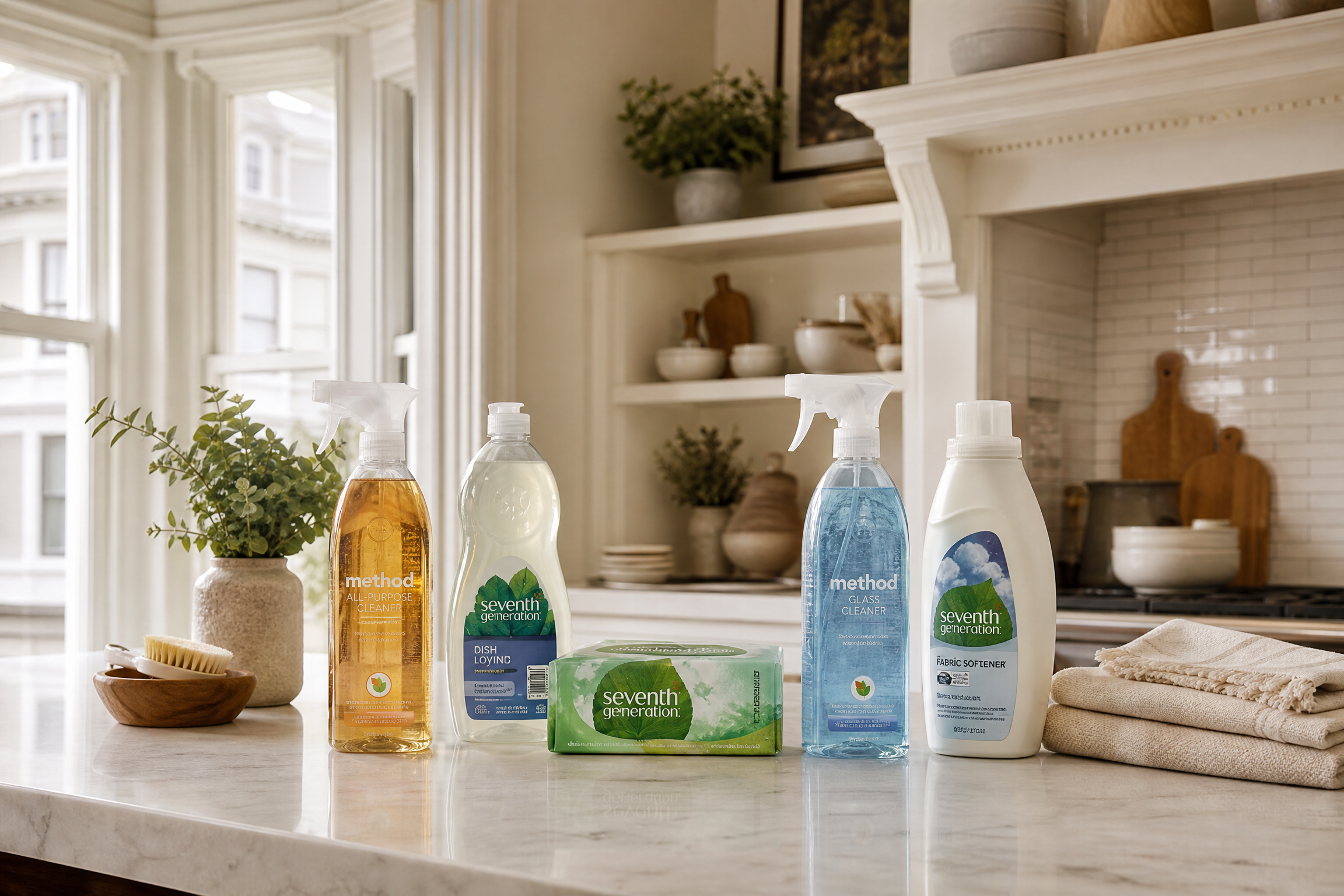
Many conventional cleaning products contain synthetic fragrances, VOCs, and harsh chemicals that trigger allergic reactions and asthma. Use fragrance-free, plant-based cleaners. Method, Seventh Generation, and Ecover all offer effective, low-allergen formulations.
Run a HEPA air purifier continuously
A HEPA air purifier in the bedroom and main living area captures airborne allergens before they settle on surfaces. Run it continuously — not just when you notice symptoms. The Coway AP-1512HH and Winix 5500-2 are consistently rated highest for effectiveness in SF-sized apartments.
Remove shoes at the door
Shoes track in pollen, mold spores, and outdoor allergens. A no-shoes policy at the door reduces allergen load in the home significantly. Keep a shoe rack and a pair of indoor slippers at the entrance.
Room-by-Room Allergy Cleaning Guide
Bedroom (highest priority)
- Wash bedding weekly in hot water (130°F+)
- Use allergen-proof mattress and pillow covers
- Vacuum mattress monthly with HEPA vacuum
- Keep pets out of the bedroom if possible
- Remove carpet if possible — hard floors are easier to keep allergen-free
- Minimize soft furnishings that collect dust
Living Room
- Vacuum upholstery weekly with HEPA attachment
- Wash throw pillows and blankets monthly
- Vacuum floors 2–3x per week
- Wipe hard surfaces with damp microfiber cloth weekly
- Use washable slipcovers on sofas if you have pets
Bathroom
- Run exhaust fan during and 20 minutes after every shower
- Squeegee tile walls after showering to reduce moisture
- Clean grout monthly with oxygen bleach to prevent mold
- Replace caulk at first sign of discoloration
- Keep humidity below 50% with a dehumidifier if needed
Kitchen
- Clean under and behind appliances monthly — dust and debris accumulate here
- Fix any leaks immediately — moisture under the sink creates mold
- Keep food sealed — cockroach allergens are a significant asthma trigger
- Clean the refrigerator drip pan quarterly
- Replace HVAC filter every 1–3 months
Frequently Asked Questions
How often should allergy sufferers have their home professionally cleaned?
Weekly professional cleaning is ideal for severe allergy sufferers. Biweekly is the minimum for most people with allergies. Monthly cleaning doesn't keep pace with allergen accumulation, especially in SF's humid climate.
Does professional cleaning actually reduce allergy symptoms?
Yes — studies show that regular professional cleaning combined with HEPA vacuuming and allergen-proof bedding covers significantly reduces dust mite and pet dander levels. The key is consistency: a single deep clean helps temporarily, but regular cleaning maintains lower allergen levels over time.
What cleaning products should allergy sufferers avoid?
Avoid products with synthetic fragrances (a common asthma trigger), bleach (irritates airways), ammonia-based cleaners, and aerosol sprays. Use fragrance-free, plant-based cleaners like Seventh Generation or Method Fragrance-Free.
Is carpet or hardwood better for allergy sufferers?
Hardwood floors are significantly better for allergy sufferers. Carpet traps dust mites, pet dander, and mold spores in a way that's difficult to fully remove even with HEPA vacuuming. If you have carpet, vacuum with a HEPA vacuum 2–3 times per week and consider replacing it with hard flooring.
How do I reduce mold in my San Francisco bathroom?
Run the exhaust fan during and 20 minutes after every shower. Squeegee tile walls after showering. Clean grout monthly with an oxygen bleach solution. Keep humidity below 50% with a dehumidifier. Fix any leaks immediately. Replace caulk at the first sign of black discoloration.
Can Green Planet Cleaning use hypoallergenic products?
Yes — Green Planet Cleaning uses eco-friendly, plant-based products that are free from synthetic fragrances and harsh chemicals. We can accommodate specific product requests for clients with severe allergies or chemical sensitivities. Please let us know your requirements when booking.
What's the best air purifier for a San Francisco apartment?
The Coway AP-1512HH (Mighty) and Winix 5500-2 are consistently rated highest for effectiveness in apartments the size of typical SF units (400–800 sq ft). Look for a HEPA filter with a CADR (Clean Air Delivery Rate) appropriate for your room size.
Allergy-Friendly Professional Cleaning in San Francisco
Green Planet Cleaning uses eco-friendly, low-allergen products and HEPA-equipped tools in every home. Serving allergy sufferers across San Francisco and Marin County.
Get a Free Estimate