

Recurring house cleaning Mission District households can rely on is less about making a home look perfect for one afternoon and more about protecting an ordinary week. In a neighborhood where compact flats, converted Victorians, busy shared apartments, and family homes sit within a few blocks of one another, kitchens, bathrooms, entryways, and hard floors see very different kinds of use. A recurring plan gives those high-touch spaces consistent attention before weekend plans, visitors, workdays, and delivery boxes turn small jobs into a catch-up project.
The most useful routine starts with the home as it is, not a generic checklist. A household near Valencia Street may want the kitchen and entry handled after a full week of cooking and foot traffic; a work-from-home household may value a quieter reset of desks, living areas, and bathrooms; a family may prioritize floor edges and the places where bags, shoes, and everyday clutter accumulate. The goal is a dependable standard that fits the actual layout, access, and rhythm of a Mission District home.
Planning note: A clear scope makes a cleaning visit more useful. Share access details, the rooms that matter most, and any selected interior tasks before requesting an estimate.
Why recurring house cleaning works in the Mission District
Routine cleaning is most effective when it prevents the familiar cycle of postponing maintenance until every room needs attention at once. A scheduled visit keeps the core work moving: kitchen surfaces, bathroom fixtures, dusting, floors, and the accessible details that make daily rooms easier to use. It also creates a clear baseline, so the household can notice when a deeper reset or a selected add-on would be more appropriate than asking a standard visit to do two jobs at once.
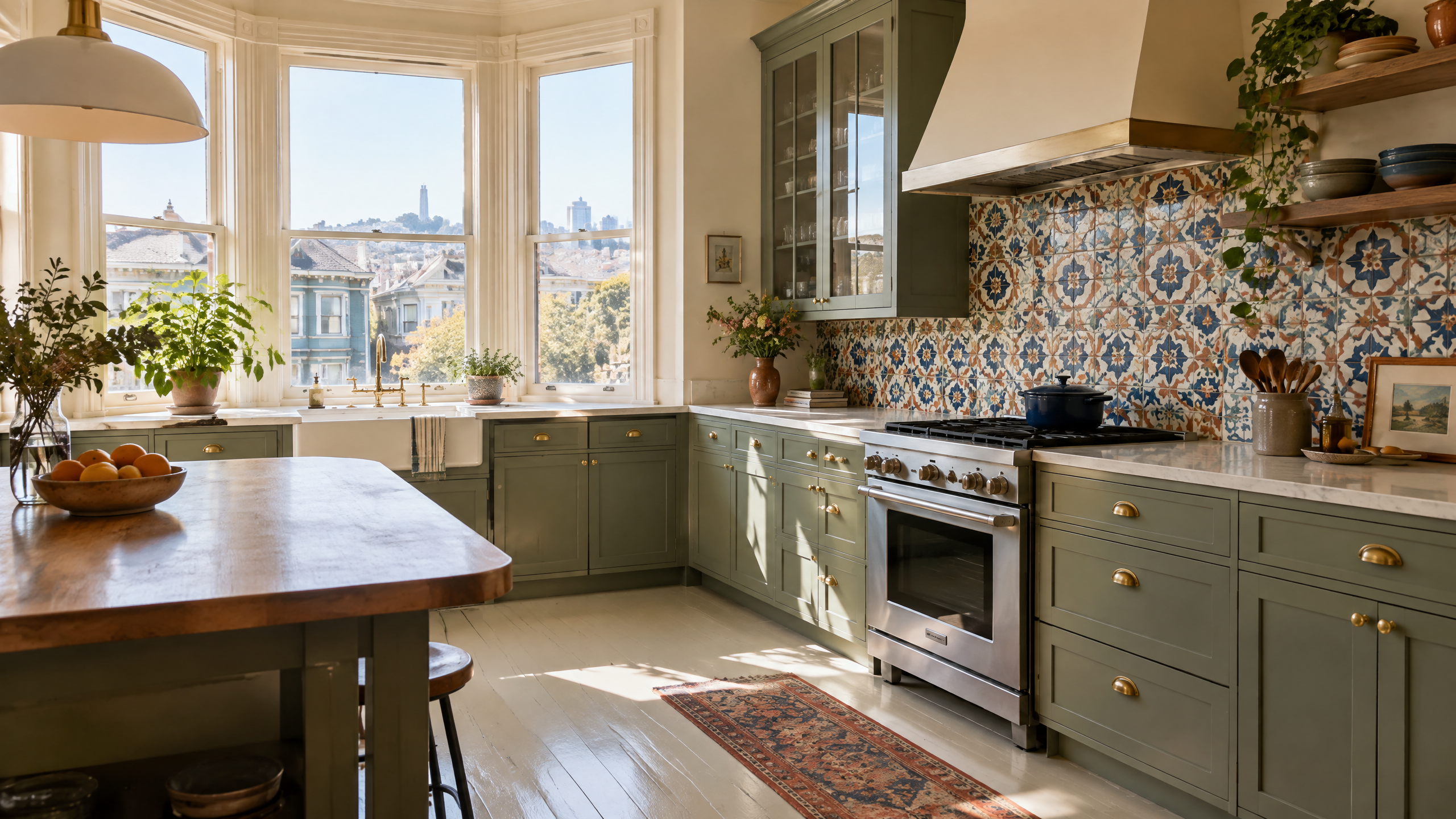
Mission District homes often reward a room-by-room plan. Older painted trim, tiled kitchens, shared entries, narrow stairs, bay windows, and compact bathrooms all benefit from consistent care, but they do not need the same level of effort every visit. A recurring scope can focus on the rooms that receive the most traffic while rotating attention to areas such as baseboards, doors, or window ledges as the home needs it.
Consistency also makes communication simpler. Once access instructions, pet notes, parking realities, surface considerations, and off-limit rooms are established, the team can arrive with a useful plan instead of rebuilding one at every appointment. That is especially helpful for residents who split time between the Mission, the Peninsula, or Marin County and want the home ready without having to manage a new cleaning conversation each week.
Plan recurring house cleaning around your Mission District routine
Start by choosing the rooms that influence the week most. For many apartments and houses, that means the kitchen, the main bathroom, floors, and the entry route from the front door. If more than one person works from home, include the living room or a work area in the discussion. A short, specific list is more useful than treating every surface as equally urgent, and it gives the recurring visit a stable purpose.
Then share the practical details before the first appointment. Mission District blocks can have limited parking, controlled building entry, stair-only access, gates, elevator rules, or a preferred arrival contact. Let the team know about these logistics, along with pets, fragile pieces, delicate finishes, and rooms that should remain private. You do not need to pre-clean; clearing loose paperwork, laundry, chargers, and breakable items simply makes the requested surfaces accessible.
Finally, decide whether the home needs maintenance or a reset first. A standard recurring visit is designed to sustain a reasonably maintained home. If grime, detailed edge work, or deferred areas have built up, a deep clean can establish the baseline before ongoing visits begin. If the home is empty because of a lease change or household move, a move-related cleaning has a different purpose and should be planned as its own scope.
Six priorities that make a recurring visit count
Use these priorities to frame a service that feels intentional rather than overstuffed. The first visit is a good time to identify which of them matter every time and which can rotate as needed.
- Kitchen touchpoints: counters, sink, stovetop exterior, appliance exteriors, cabinet fronts, backsplash, and the floor around food-prep areas. In a compact Mission kitchen, these surfaces often carry the most daily use.
- Bathroom continuity: toilet exterior, sink, shower or tub surfaces, mirrors, fixtures, vanity fronts, and accessible floor edges. A clear bathroom routine prevents a small room from becoming the household’s largest catch-up task.
- Entryway control: floors, reachable trim, and the landing zone just inside the door. Prioritizing this transition helps keep dust and street debris from following the household into living and bedroom spaces.
- Living-area reset: accessible dusting, tables, shelves, switches, door handles, and floors around furniture. This is especially useful when one room also functions as a workspace, dining area, or gathering space.
- Floor care by material: cleaning methods should match tiled, painted wood, sealed hard-surface, or other flooring. Flag unusual finishes or visible wear during the estimate rather than assuming one method is suitable everywhere.
- Detail rotation: choose one or two secondary items—such as baseboards, interior doors, window ledges, or cabinet fronts—to receive extra attention over time. Rotation adds care without turning every recurring appointment into a deep clean.
Keep standard, deep, and move-related cleaning distinct
Standard recurring cleaning is maintenance. It is built for the rooms that need reliable attention every week or every other week: kitchens, bathrooms, dusting, floors, and common living areas. It does not assume that every interior cabinet, appliance, track, or heavily built-up edge will be addressed on each visit. That boundary protects time for the recurring work that keeps the home comfortable between appointments.
Deep cleaning is the more detailed reset. It is a sensible choice before starting a recurring schedule, after a long stretch without professional cleaning, after travel, or ahead of an event when the home needs focused work on buildup-prone areas. It can include more attention to baseboards, trim, fixtures, cabinet fronts, floor edges, and selected interior tasks when specified. A deep clean is not a repair service, and it is not a substitute for specialized post-construction work after active renovation dust or debris.
Move-related cleaning is for an empty or nearly empty home during a change of residence. It is planned around turnover details such as accessible cabinet and drawer interiors, appliance interiors when selected, closets, bathrooms, and a clear handoff-ready presentation. Book it as a separate scope rather than trying to fold it into recurring maintenance, and schedule after debris-producing work is finished whenever possible.
Choose the service level for the home’s current condition
| Option | Best use |
|---|---|
| Standard recurring cleaning | Best for a maintained, occupied Mission District home that needs dependable care for kitchens, bathrooms, dusting, floors, and common spaces on a weekly or biweekly rhythm. |
| Deep cleaning | Best for establishing a baseline or addressing deferred detail work, with more time for edges, buildup-prone surfaces, trim, fixtures, cabinet fronts, and selected interior tasks. |
| Move-related cleaning | Best for an empty home during a move, when handoff timing and accessible interiors of cabinets, closets, and appliances selected in advance are central to the scope. |
What recurring cleaning can cost in the Mission District
Flat-fee standard cleaning starts at $240 for a small home. The estimate considers the layout, number of bedrooms and bathrooms, current condition, access, and the work selected for the visit. That approach is more useful than trying to assign one number to every Mission District flat, because a one-bedroom walk-up, a two-bath household, and a multi-level Victorian do not require the same scope.
For a deeper starting point, a small one-bedroom deep clean starts at $300. A typical two-bedroom, two-bath deep clean is about $480, and a three-bedroom, two-bath deep clean is about $540. These are planning examples rather than a substitute for a home-specific estimate; detailed condition, access, and selected interior work can change the final scope.
A move-out clean begins at $240 for a small one-bedroom, while a typical two-bedroom, two-bath move-out is about $360. Once the home is on a recurring Clean+ schedule, weekly visits receive 25% off and biweekly visits receive 20% off. Use the online estimate process to match the visit type and cadence to the home before choosing an appointment.
Set up an easy, repeatable cleaning plan
The most efficient first booking begins with a short operating note: how to enter the building, whether there are stairs or elevator procedures, where parking is workable, which rooms are off limits, and the household’s top two or three priorities. For a shared apartment, name one point of contact and decide how access will work. For a family home, note pet routines and any rooms that need a lighter touch. These details let the visit focus on cleaning rather than resolving logistics at the door.
Start with the neighborhood page for Mission District residents who want to compare recurring options with their home’s layout and schedule. Select standard recurring cleaning when maintenance is the goal, reserve a deep clean for a reset, and choose move-related cleaning only when a transition and empty-home scope call for it. A clear first choice makes the estimate more accurate and the future routine easier to maintain.
If your schedule changes across neighborhoods or you are still deciding on cadence, review San Francisco recurring house cleaning for the broader service-area context. Weekly or biweekly appointments work best when they are tied to how the household uses the home, not to an arbitrary rule. Revisit priorities after the first few visits and adjust the scope when seasons, guests, work routines, or household needs change.
Frequently asked questions
How often should I schedule recurring house cleaning in the Mission District?
Weekly service is often a practical fit for homes with frequent cooking, children, pets, several occupants, or a busy work-from-home routine. Biweekly service can suit a smaller household that keeps up with light tasks between visits. The right cadence is the one that prevents the kitchen, bathrooms, and floors from becoming a larger reset. Start with the home’s actual traffic and adjust after a few visits.
What does a standard recurring cleaning include?
A standard visit is intended for routine upkeep in occupied homes. It typically centers on kitchen and bathroom cleaning, accessible dusting, floors, and common living spaces. The exact scope should be confirmed in the estimate, particularly for selected tasks, specialty finishes, access constraints, and rooms that need extra attention. It is maintenance work rather than a promise to complete every occasional detail on every visit.
Should I book a deep clean before recurring service?
A deep clean is useful when the home has accumulated detail work, has not been professionally cleaned recently, or needs a baseline reset before maintenance begins. It adds time for items such as buildup-prone edges, baseboards, trim, cabinet fronts, and fixtures. A home already in good condition may be ready for standard recurring cleaning instead. The estimate can help separate reset work from ongoing maintenance.
How much is recurring house cleaning in the Mission District?
Standard cleaning starts at $240 for a small home. Final flat-fee pricing depends on the layout, bathrooms, condition, access, and scope. Weekly Clean+ receives 25% off and biweekly Clean+ receives 20% off. For context, a small one-bedroom deep clean starts at $300, while a typical two-bedroom, two-bath deep clean is about $480. Request an estimate for the home’s actual needs.
Do I need to be home during a recurring cleaning appointment?
You can arrange access in the way that fits the household. Before the appointment, confirm entry instructions, building procedures, parking, pet notes, the best contact person, and any rooms that are private. If you will be away, share the instructions early and keep the priority list simple. Clear access is more helpful than being present for the entire visit.
When is move-related cleaning a better choice than recurring cleaning?
Choose move-related cleaning when the home is empty or nearly empty because of a move and the plan needs to address handoff-focused areas such as closets, accessible cabinet or drawer interiors, and appliance interiors when selected. Recurring cleaning is for maintaining an occupied home over time. If renovation dust or construction debris is involved, discuss a specialized post-construction scope instead of treating it as standard or move-related work.
Ready to plan the right visit? Visit recurring house cleaning in the Mission District or request a flat-fee estimate for your home.
Let Green Planet Handle the Cleaning
Family-owned since 2010. 100% eco-friendly. Greentified™ Guarantee — if you're not happy, we re-clean for free within 24 hours.
Serving Marin County, San Francisco, Sonoma, Napa, San Mateo & Contra Costa.