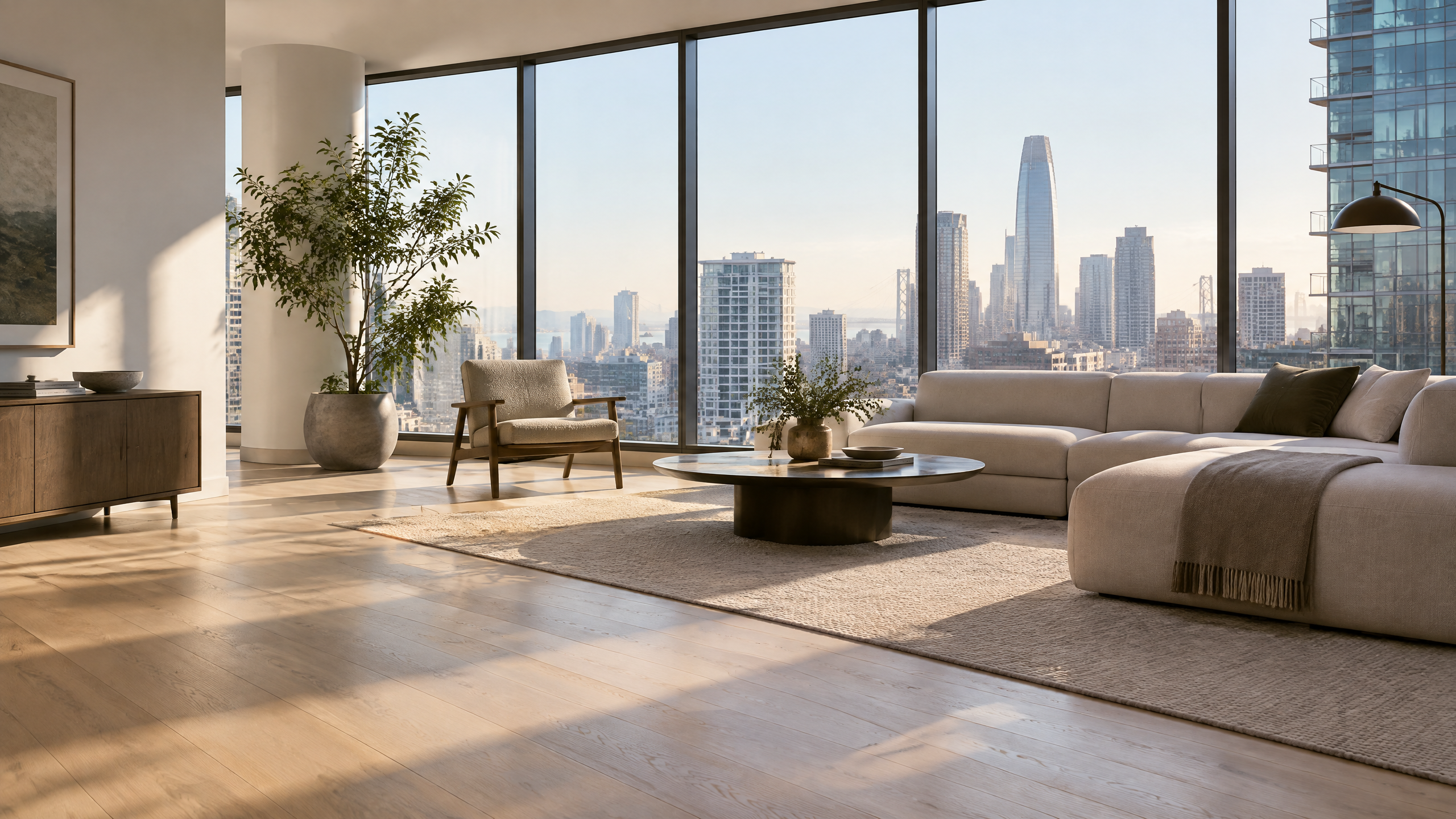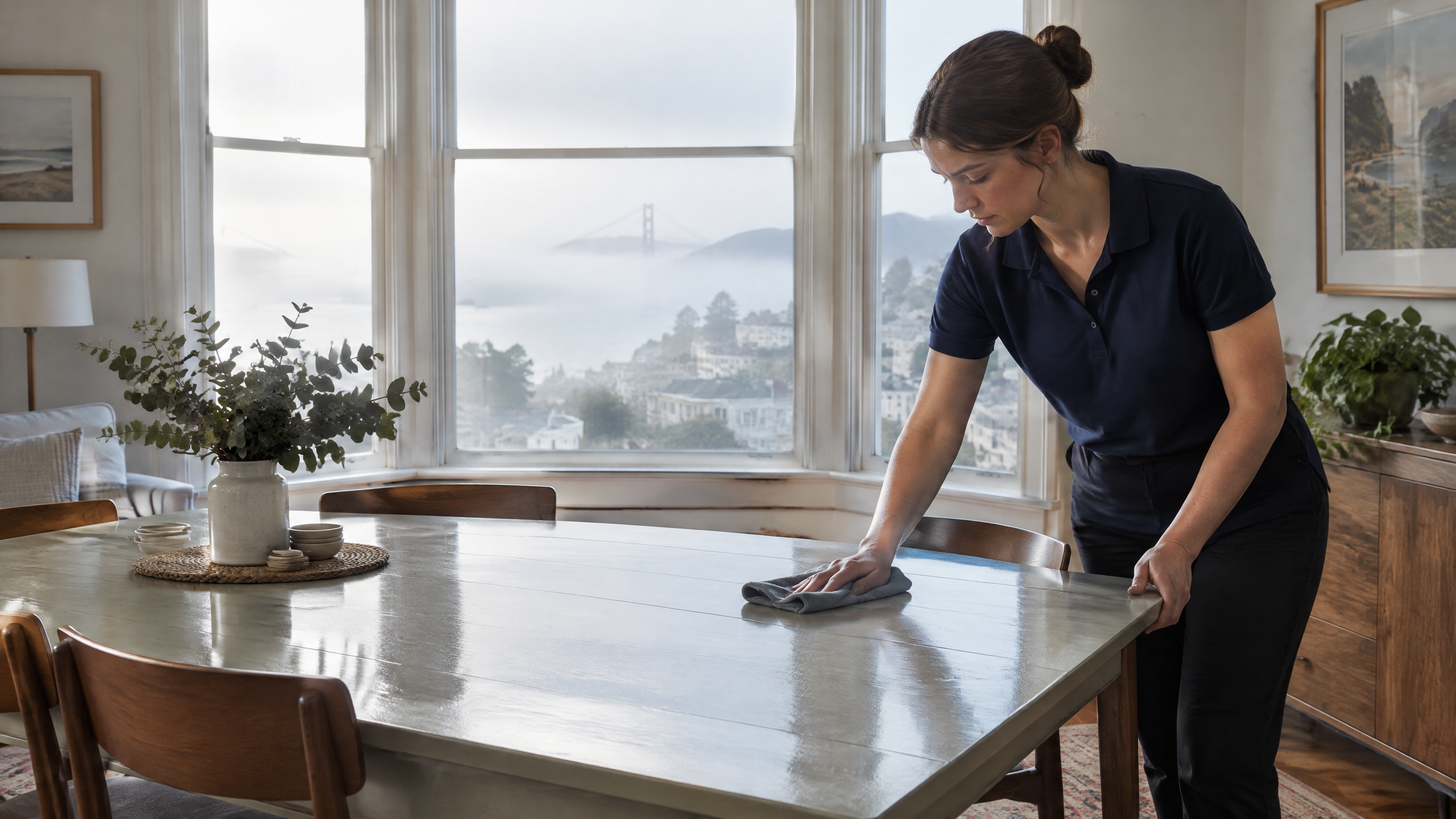


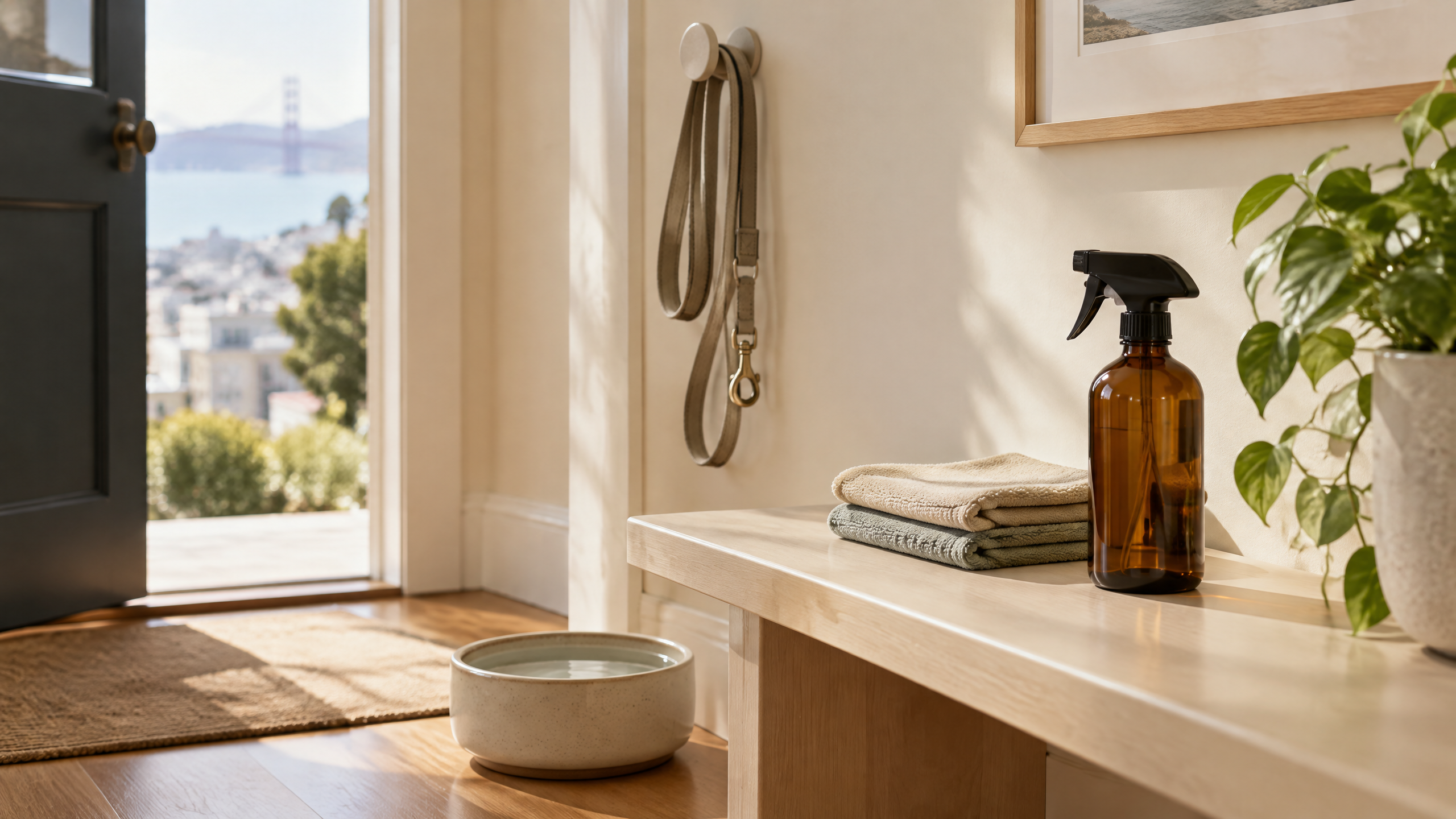
Recurring cleaning for pet owners in San Francisco brings a repeatable reset to the parts of a home that see the most paws, fur, crumbs, and street grit. In a city of compact apartments, Victorian flats, elevator buildings, and closely shared entrances, small accumulations can become noticeable quickly. A planned visit gives household routines a dependable baseline without asking residents to turn every weekend into a major cleaning project.
The useful question is not simply how often to clean; it is what needs attention at the pace your pets and household actually create. A quiet cat may leave fur on window ledges and upholstered seating, while an active dog can bring in moisture and debris after a walk through a neighborhood park or along a busy sidewalk. This guide explains how to choose a cadence, brief a cleaning team, compare standard, deep, and move-related work, and set realistic expectations before booking.
Planning note: A clear scope makes a cleaning visit more useful. Share access details, the rooms that matter most, and any selected interior tasks before requesting an estimate.
Why a Recurring Plan Helps Pet Households
Pet ownership changes the pattern of routine home care rather than making every surface equally demanding. Feeding areas need frequent wipe-downs, floors near doors may collect tracked residue, and fur tends to settle along baseboards, under low furniture, and in corners that are easy to miss during a quick reset. Recurring service makes those recurring tasks visible in the plan instead of leaving them to an occasional catch-up day.
San Francisco homes can make that planning especially valuable. A narrow hallway may connect the front door directly to the living area; painted wood floors, older trim, bay-window ledges, and stairs offer extra edges where dust and fur show up. In smaller homes, a litter setup, pet bed, food station, or crate is often near the rooms used most. Consistent attention to those zones helps the overall home feel orderly between visits.
A dependable schedule also separates maintenance from restoration. When ordinary dust, light soil, and daily pet evidence are addressed on a recurring basis, a later deep clean can focus on buildup, overlooked details, and a broader reset. That distinction lets a household choose service based on present condition and upcoming needs instead of assuming every appointment requires the same level of work.
Plan Around Pets, Building Access, and Daily Routines
Start by mapping the home in practical zones: entry and hallway, feeding area, primary resting spots, kitchen, bath, bedrooms, and any room with a litter box or indoor exercise setup. Note where fur gathers and which rooms are off limits. For dogs, describe the walk schedule and whether a post-walk pause is useful before the visit. For cats, identify doors that must stay closed and places where they may hide so the team can work thoughtfully around the household.
Access is part of a good San Francisco cleaning plan. Confirm buzzer instructions, building rules, elevator reservations if applicable, parking considerations, and whether a resident will be home. Share the preferred procedure for entering and leaving, particularly when a pet may react to an unfamiliar sound at the door. A short written note about keys, alarms, and rooms to skip helps avoid last-minute decisions and gives both sides a clearer visit.
Choose cadence according to the life lived in the home, not an idealized routine. Weekly visits can suit multi-pet homes, frequent walkers, or households that host often. Biweekly service is a practical rhythm for many pet owners who keep up with light tasks between appointments. Monthly service can work for lower-traffic homes, but it usually benefits from an initial deeper reset if detailed buildup has accumulated.
Six Priorities to Include in a Pet-Owner Cleaning Brief
A clear brief is more useful than a long list of vague requests. These six priorities help a recurring visit address the everyday areas that matter most to San Francisco pet households while keeping the scope realistic.
- 1. Protect the entry routine: Ask for attention to the path from the front door to the main living space: floors, visible corners, door-adjacent trim, and the area around shoes, leashes, or towels. This is often where outdoor residue first enters the home. Keep pet supplies out of the immediate work path so the zone can be cleaned efficiently.
- 2. Define the feeding station: Point out the food and water area, including the floor beneath bowls and nearby wall edges where splashes or kibble may collect. Empty dishes and pick up loose food before the appointment when possible. The team can then clean the surrounding hard surfaces without moving an active feeding setup or guessing what should remain in place.
- 3. Name high-shed surfaces: Identify pet beds, low furniture, window ledges, and accessible baseboards where fur tends to settle. Explain what may be moved and what should stay put. Recurring care can prioritize reachable surfaces and floors, while a deeper service is better suited to a more extensive detail pass after seasonal shedding or an extended gap.
- 4. Set litter and containment boundaries: Let the team know where litter boxes, crates, gates, and pet storage are located, and specify any areas not to disturb. Remove fragile items around the setup. Routine cleaning may address the surrounding floor and accessible exterior surfaces, but waste removal, litter replacement, and pet-care tasks should be agreed on explicitly rather than assumed.
- 5. Coordinate pet comfort and safety: Arrange for pets to be with a household member, in a designated room, or away from the home during the visit according to their temperament. Secure doors, communicate escape concerns, and share any handling limits. This is a practical workflow step, not a substitute for an owner’s normal pet supervision and care plan.
- 6. Keep product preferences specific: If your household has product preferences or needs certain areas avoided, provide that information before the appointment and label any resident-supplied items. Store treats, medications, and small toys away from active work areas. Clear communication lets the team follow the agreed plan without making assumptions about what belongs near a pet’s food, water, or resting place.
Match the Service Level to the Home’s Starting Point
Standard recurring cleaning is designed for maintenance: the regular kitchens, bathrooms, floors, dusting, and commonly used living areas described in the service plan. For pet owners, it works best when clutter is picked up, food areas are cleared, and the home has already had an appropriate initial reset. It supports an orderly routine; it is not intended to correct months of accumulated detail work in a single visit.
Deep cleaning is the broader, more detailed starting point when a home needs a thorough reset before recurrence begins. It is a sensible option after a long gap in professional care, before welcoming a new pet into the household, after a heavy shedding period, or when trim, ledges, bathrooms, and kitchen details need more attention than a standard visit provides. A walkthrough or clear description of the home helps set the correct scope.
Move-related cleaning has a different goal: preparing an empty or mostly empty home for a handoff or a new arrival. It focuses on the condition of the residence rather than the ongoing upkeep of an occupied pet household. Remove belongings and confirm building timing in advance. If a pet household is moving within San Francisco, schedule recurring service for the current home separately from a move-out clean and the setup of the next home.
Standard, Deep, and Move-Related Cleaning at a Glance
| Option | Best use |
|---|---|
| Standard recurring cleaning | An occupied pet home that has a manageable baseline and needs regular maintenance. Planned routine cleaning of commonly used rooms and reachable surfaces, with pet-priority zones identified in advance. |
| Deep cleaning | A home with accumulated detail work, a lapse in routine service, or a need for an initial reset. A more detailed pass that creates a stronger baseline before a recurring schedule begins. |
| Move-related cleaning | An empty or mostly empty residence being prepared for departure, arrival, or turnover. A move-focused clean arranged around the property’s condition and building access, rather than ongoing pet routines. |
Pricing Benchmarks for Choosing the Right Starting Point
For ongoing maintenance, standard cleaning starts at $240. The final scope should reflect the home’s layout, condition, access, rooms selected, and the practical instructions needed for pets and building entry. A clear inventory of bathrooms, bedrooms, high-use spaces, and pet zones makes it easier to align the booking with the home rather than rely on a broad description alone.
For a deeper reset, a small one-bedroom deep clean starts at $300. A typical 2BR/2BA deep clean is about $480, and a 3BR/2BA deep clean is about $540. These benchmarks are useful when deciding whether recurring maintenance is the next step or whether the home would benefit first from a more detailed foundation. Confirm the requested scope before treating any benchmark as a final quote.
Move-out cleaning begins at $240 for a small one-bedroom, while a 2BR/2BA move-out is about $360. For households ready to maintain the home after the reset, weekly Clean+ receives 25% off and biweekly service receives 20% off. Discuss cadence and condition together: a discount supports a recurring schedule, but it does not change the difference between standard maintenance, deep work, and a move-related clean.
How to Book a Pet-Aware Recurring Schedule
Begin with the home’s present condition and your preferred rhythm. Explain whether the first appointment should be standard or deep, how many pets live in the home, the rooms that receive the most use, and any building-access requirements. Include practical notes such as a secure pet room, do-not-open doors, food-station boundaries, or the best arrival window; these details are more useful than a generic request for an extra-thorough visit.
For availability and service details, use the recurring house cleaning for San Francisco pet owners page, then share your desired cadence and priority zones. If the home needs a reset first, say so at the outset. A clear starting point helps determine whether a standard appointment will maintain the home well or whether a deep cleaning should establish the routine.
Neighborhood context can also make scheduling smoother. Residents who need Richmond District house cleaning can review the local service page while preparing building instructions and parking or entry notes. Before every visit, pick up loose pet items, secure animals as planned, and communicate any changes in access so the agreed scope can begin without avoidable delays.
Frequently asked questions
How often should a San Francisco pet owner book recurring cleaning?
Weekly service can fit homes with several pets, frequent outdoor activity, or heavy use of shared living areas. Biweekly service fits many households that handle light upkeep between visits. Monthly service may suit lower-traffic homes, especially after a deeper initial reset.
Should I book standard cleaning or a deep clean first?
Choose standard service when the home already has a manageable maintenance baseline. Consider a deep clean when detailed buildup, a long service gap, or a need for a more thorough reset would make a routine visit feel rushed or incomplete.
What should I do with my dog or cat during the appointment?
Use the arrangement that best suits your pet: stay with a household member, remain in a designated room, or be away from the home. Communicate secure doors, hiding places, and areas not to enter before the team arrives.
Can the cleaning plan include my pet’s feeding area?
Yes, identify the feeding station and clear bowls and loose food when possible. The surrounding accessible hard surfaces can be included in the agreed scope. Confirm any preferences in advance, and do not assume pet-care tasks are part of routine cleaning.
Is move-out cleaning the same as recurring cleaning?
No. Recurring cleaning maintains an occupied home on a set cadence. Move-out cleaning is arranged for an empty or mostly empty property and supports a move, handoff, or new arrival. The scope, condition, and access needs are different.
What information should I provide before booking?
Share the address area, residence size, bathrooms, current condition, desired schedule, pet count, priority rooms, building-entry process, and any rooms to avoid. Those details help set an appropriate service level and a smoother plan for the visit.
Ready to plan the right visit? Visit recurring house cleaning for San Francisco pet owners or request a flat-fee estimate for your home.
Let Green Planet Handle the Cleaning
Family-owned since 2010. 100% eco-friendly. Greentified™ Guarantee — if you're not happy, we re-clean for free within 24 hours.
Serving Marin County, San Francisco, Sonoma, Napa, San Mateo & Contra Costa.